
In the shadow of prolonged conflict, Ukraine’s long-standing pursuit of NATO membership has been a cornerstone of its security aspirations. But as peace negotiations intensify in late 2025, President Volodymyr Zelenskyy has signaled a potential pivot: willingness to forgo NATO accession in exchange for robust Western security guarantees. This move raises pressing questions—Is Ukraine truly distancing itself from the alliance?
Zelenskyy’s Bold Compromise: Dropping the NATO Bid
Ukraine’s NATO ambitions date back decades, intensified by Russia’s 2014 annexation of Crimea and the full-scale invasion in 2022. Membership was viewed as an ironclad deterrent against future aggression, embodying collective defense under Article 5.
Yet, on December 14, 2025, Zelenskyy announced Kyiv’s readiness to shelve these goals ahead of critical talks in Berlin. Speaking to journalists via a WhatsApp group, he framed it as a “compromise,” stating that while NATO was Ukraine’s preferred path, not all Western partners supported it. In its place, he seeks legally binding assurances—mirroring NATO’s mutual defense clause—from the United States, European nations, Canada, Japan, and others.
This isn’t outright separation but a tactical pause. Zelenskyy emphasized that guarantees must be enforceable, backed by U.S. congressional approval, to prevent a “third Russian invasion.”
The shift aligns with one of Russia’s core demands: Ukraine’s permanent neutrality regarding NATO. However, Kyiv insists this concession comes without territorial losses, rejecting Moscow’s calls for withdrawals from parts of Donetsk and Luhansk still under Ukrainian control.
Peace Talks Under U.S. Pressure
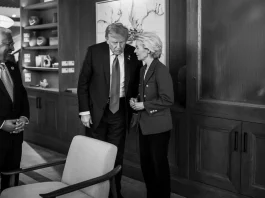
These statements emerge amid renewed diplomatic momentum. U.S. envoys, including Steve Witkoff and Jared Kushner—sent by President Donald Trump—convened with Zelenskyy and European leaders in Berlin for over five hours on December 14. Witkoff reported “a lot of progress,” with sessions continuing into December 15.
The talks revolve around a U.S.-proposed framework, initially a 28-point plan leaked in November 2025, now refined to 19 points following European input. Key elements include a potential ceasefire along current front lines, demilitarization caps on Ukrainian forces, and sanctions relief for Russia in exchange for G8 reinstatement. Ukraine has endorsed multiple U.S.-led ceasefires throughout 2025, but Russia has rejected them all, continuing infrastructure strikes.
European allies, including Germany, stress that any deal requires Russian territorial commitments and skepticism lingers over past “guarantees”—like the 1994 Budapest Memorandum, where Ukraine denuclearized in exchange for security pledges that failed during the 2022 invasion. Zelenskyy seeks a “dignified peace,” prioritizing guarantees over alliance membership to expedite an end to the bloodshed.
Is Ukraine Staking Its Future on a Bet?
At its core, Zelenskyy’s offer is a calculated risk—a bet that bilateral pacts can substitute for NATO’s umbrella. On one hand, it could accelerate peace, freeing resources from a war that has claimed hundreds of thousands of lives and devastated Ukraine’s economy. Western guarantees, if ironclad, might deter Russia more effectively than stalled NATO bids, which faced internal alliance divisions even pre-invasion.
Yet, the downsides are stark. History shows guarantees without enforcement teeth crumble under pressure; the Budapest accord’s collapse looms large. Dropping NATO could isolate Ukraine diplomatically, signaling weakness to Moscow and emboldening revanchism. Analysts warn it might cap Ukraine’s military autonomy, with proposed force limits in the U.S. plan potentially leaving it vulnerable to hybrid threats.
| Pros of the Bet | Cons of the Bet |
|---|---|
| Faster ceasefire and reconstruction aid | Reliance on U.S. political will, which could shift post-elections |
| Tailored guarantees from multiple partners (U.S., EU, etc.) | Precedent of failed assurances erodes trust |
| Ends immediate Russian demands, paving way for talks | Potential permanent neutrality locks out future NATO path |
Ultimately, this wager hinges on enforcement. Without U.S. Article 5-like commitments ratified by Congress, it’s a hollow chip on the table. Ukraine’s future security—economic recovery, territorial integrity, and deterrence—rides on whether these pacts prove more than paper promises.
Is This Condition Part of the U.S. Agreement?
Yes, forgoing NATO membership is explicitly woven into the U.S.-led peace framework. The original 28-point proposal, developed with Russian input, mandates Ukraine enshrine non-NATO status in its constitution, with NATO agreeing not to admit Kyiv in perpetuity. The revised 19-point version, shaped by European counterproposals, softens some edges but retains neutrality as a non-negotiable for Moscow.
U.S. involvement is pivotal: Envoys like Witkoff have tied progress to these concessions, viewing them as prerequisites for broader de-escalation. Zelenskyy has engaged directly, demanding U.S.-backed bilateral pacts as the deal’s backbone. Critics argue the framework tilts pro-Russian, questioning Ukraine’s sovereignty by prioritizing NATO enlargement curbs over territorial restitution.
While not the sole condition—others include elections within 100 days and no NATO troops in Ukraine—this clause underscores the agreement’s geopolitical thrust: reining in alliance expansion to stabilize U.S.-Russia ties.
Ukraine’s Path Forward
Zelenskyy’s NATO concession isn’t a full divorce from the West but a pragmatic recalibration amid war fatigue and diplomatic deadlines. It tests whether security can be outsourced without sovereignty’s erosion. As Berlin talks unfold, the world watches: Will guarantees forge lasting peace, or expose Ukraine to renewed peril?
For Ukraine, the bet is existential. Success could herald reconstruction and regional stability; failure risks repeating history’s unkept vows. Stakeholders—from Capitol Hill to the Kremlin—must prioritize enforceable terms to transform compromise into safeguard. In 2025’s fragile thaw, Ukraine’s choices remind us: True separation from NATO isn’t the issue—it’s ensuring no one invades the space left behind.