In the volatile landscape of Asia-Pacific geopolitics during 2025, Japan’s evolving stance on nuclear matters has ignited fresh anxieties in Beijing, fueling debates over remilitarization and regional stability. As Tokyo navigates threats from neighboring powers while restarting its civilian nuclear infrastructure post-Fukushima, China perceives these moves as veiled steps toward military capabilities that could upend the postwar balance.
China’s Growing Unease: Viewing Japan’s Nuclear Moves as a Direct Threat
Beijing has voiced sharp opposition to what it labels as Japan’s “dangerous tendencies” in nuclear policy, particularly after high-ranking Japanese officials in 2025 suggested reconsidering the nation’s long-standing Three Non-Nuclear Principles—not to possess, produce, or allow nuclear weapons on its soil. From China’s perspective, these discussions represent an outright challenge to global non-proliferation norms and the postwar international order, potentially destabilizing the Asia-Pacific region. Officials in Beijing argue that Japan’s stockpiling of plutonium—far exceeding civilian energy needs—positions it as the non-nuclear state most capable of rapidly developing weapons-grade material, hinting at hidden military ambitions driven by right-wing factions pushing for broader remilitarization.
This vigilance stems from historical grievances, where China sees echoes of Japan’s wartime aggression, now resurfacing through policy shifts that blur lines between peaceful energy use and defensive armament. In 2025, amid escalating bilateral tensions—including a diplomatic crisis sparked by provocative statements in Japan’s parliament—Beijing has urged Tokyo to cease “testing boundaries” and adhere strictly to its constitutional commitments to pacifism. China warns that such pursuits not only violate international legal obligations but also risk provoking a regional arms race, with calls for heightened global oversight to curb what it views as Japan’s “erroneous path” toward rearmament. This stance reflects broader fears that Japan’s actions could erode trust, especially as military build-ups accelerate on both sides, with China’s defense spending dwarfing Japan’s yet prompting Tokyo to eye significant increases.
Beyond Beijing: Is Japan’s Nuclear Program Solely Targeted at China?
While China interprets Japan’s nuclear deliberations as a pointed response to its own expanding influence, evidence suggests a more multifaceted motivation, encompassing threats from multiple adversaries rather than an exclusive focus on Beijing. Surrounded by four nuclear-armed states—China, Russia, North Korea, and the United States (as an ally)—Japan faces a complex security environment where officials cite uncertainties in alliances and regional provocations as drivers for debate. For instance, North Korea’s missile tests and Russia’s assertive postures over disputed territories have amplified calls within Japan’s ruling circles for enhanced deterrence, including exploring nuclear sharing or independent options.
That said, China remains a primary concern, with 2025 incidents like joint Russian-Chinese bomber flights near Japanese airspace underscoring perceived encirclement. Yet, domestic surveys reveal strong public resistance, with around 70% favoring adherence to non-nuclear principles, tempering any aggressive pivot. Internationally, allies like the U.S. have reaffirmed Japan’s role as a nonproliferation leader, pouring cold water on armament ideas while supporting civilian advancements, such as restarting the world’s largest nuclear plant in Kashiwazaki-Kariwa. Thus, while China looms large, Japan’s program appears geared toward broader self-reliance amid a multipolar threat landscape, not a singular anti-China agenda—though Beijing’s narrative frames it otherwise to rally regional skepticism.
Scrutinizing the Fukushima Fallout: Global Criticism
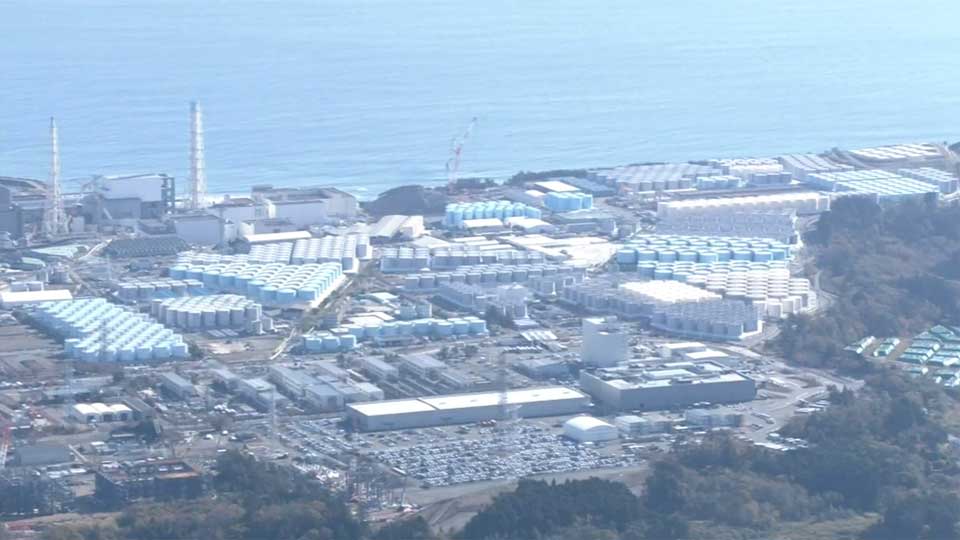
The 2011 Fukushima Daiichi disaster, triggered by a massive earthquake and tsunami, drew widespread condemnation for exposing systemic flaws in Japan’s nuclear oversight, leading to meltdowns, radiation leaks, and mass evacuations. Critics lambasted regulatory capture, where close ties between operators like Tokyo Electric Power Company (TEPCO) and government bodies stifled rigorous safety checks, underestimating natural disaster risks despite Japan’s seismic-prone geography. Environmental groups highlighted inadequate tsunami defenses and poor emergency planning, which amplified economic losses exceeding hundreds of billions and caused long-term health anxieties, though direct radiation deaths were minimal. Internationally, the accident fueled anti-nuclear sentiments, with accusations that Japan prioritized energy independence over public safety, ignoring “unlikely” scenarios that proved catastrophic.
From economic angles, the shutdown of all reactors post-Fukushima spiked fossil fuel imports, straining budgets and emissions goals. Socially, it eroded trust, displacing communities and sparking mental health crises amid evacuation distress. Lessons extracted include establishing an independent Nuclear Regulation Authority for impartial oversight, mandating robust “beyond design-basis” protections against extreme events, and enhancing transparency through public engagement. Japan also learned to integrate advanced modeling for risk assessment, fostering a culture of continuous improvement rather than complacency. These insights have reshaped global standards, emphasizing resilience in an era of climate-driven hazards.
Strategies for Japan to Prevent Future Nuclear Mishaps
To avert repeats of Fukushima, Japan in 2025 continues implementing stringent post-disaster reforms, focusing on multilayered defenses and technological innovation. Key measures include seismic upgrades to plants, such as elevated backup power systems and fortified seawalls to counter tsunamis, as seen in preparations for restarting Kashiwazaki-Kariwa. Regular stress tests and international reviews by bodies like the IAEA ensure compliance, with recent missions in 2025 verifying safety protocols for treated water discharges.
Collaboration with global partners, including joint dialogues with the UK on public perceptions and technology sharing, bolsters knowledge exchange. Domestically, investing in advanced reactors like small modular designs promises inherent safety features, while AI-driven monitoring detects anomalies early. Community involvement through transparent reporting and evacuation drills builds resilience, alongside substantial funding—over $641 million pledged for local areas in 2025. By prioritizing adaptive governance and learning from past oversights, Japan can mitigate risks, ensuring nuclear energy contributes to sustainability without compromising security.
China’s worries about Japan’s nuclear trajectory highlight deeper fissures in regional trust, urging dialogue to prevent escalation. Balancing energy needs with nonproliferation remains key, as Tokyo’s reforms demonstrate a commitment to safety amid persistent geopolitical shadows.