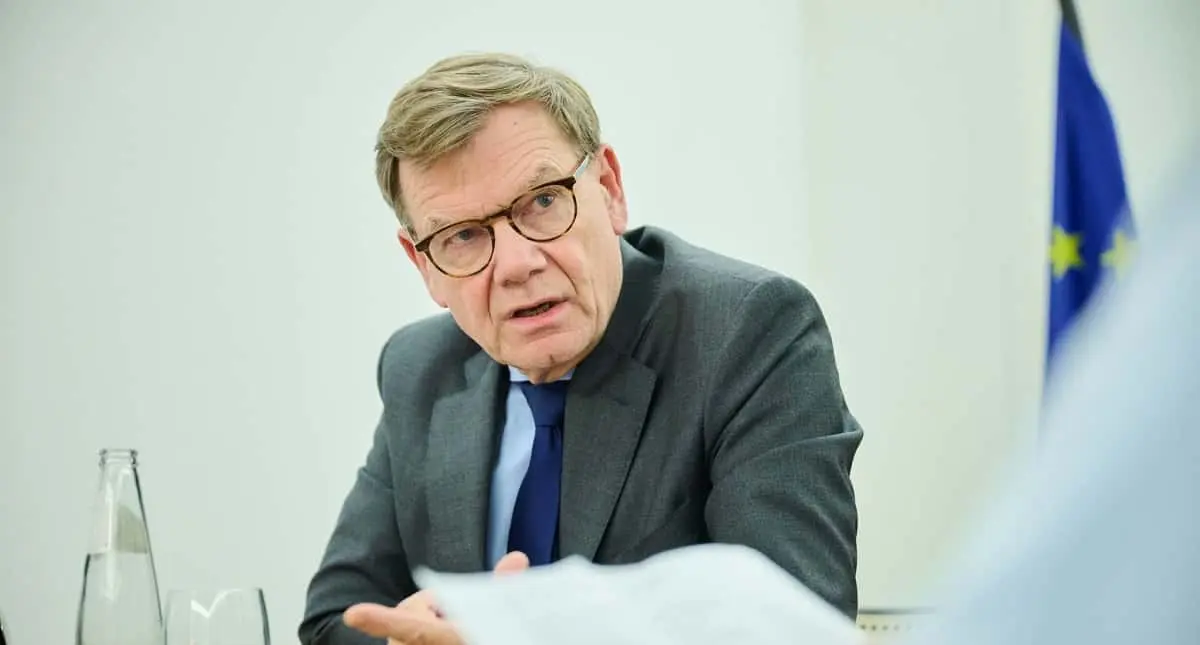
As negotiations for a possible ceasefire in Ukraine gain momentum, a chilling warning from Germany’s top leadership has reignited debates about European security: What if peace in Ukraine merely gives Russia time to prepare an assault on NATO soil? German Foreign Minister Johann Wadephul has urged the alliance to brace for this unsettling scenario, emphasizing that complacency could prove catastrophic in an era of renewed great-power rivalry.
The Hidden Danger Behind a Ukraine Truce
While a ceasefire would bring much-needed relief to war-torn Ukraine—now defending against Russia’s full-scale invasion for over three and a half years—Wadephul cautions that Moscow might exploit any pause to rebuild and rearm. “I can only advise us to prepare ourselves for the possibility that this may happen,” he stated, carefully avoiding speculation on likelihood but stressing proactive readiness.
The minister highlighted that lasting Russian military gains in Ukraine would directly threaten NATO’s eastern flank. Such success could embolden Moscow, signaling weakness in Western resolve and inviting further aggression. For Germany and its allies, supporting Ukraine isn’t just solidarity—it’s a core national security interest that safeguards the entire continent.
Europe’s Response: Strength Through Unity and Modernization
NATO is already adapting. The alliance is expanding defense infrastructure across its eastern borders, while individual members accelerate military reforms. Germany, in particular, is leading by example: revamping its Bundeswehr with increased troop numbers, advanced equipment procurement, and substantial budget hikes to meet and exceed NATO’s 2% GDP spending target.
Wadephul underscored a key principle: Russia can only be deterred “from a position of strength, unity within the alliance, and capable armed forces.” Reducing efforts now would send the wrong signal. “There is no reason for us to reduce our efforts. Quite the contrary,” he warned, advocating unwavering commitment to ongoing defense projects.
Echoing this urgency, German Defence Minister Boris Pistorius recently projected that Russia could rebuild sufficient capacity to threaten a NATO member by 2029—a timeline that demands immediate action rather than delay.
Security Guarantees: The Key to Sustainable Peace
For any ceasefire to hold and evolve into genuine peace, Ukraine needs ironclad security assurances from the West—particularly from the United States. Wadephul emphasized that these must be credible commitments: a real willingness to defend Ukraine if Russia attacks again.
Only with such guarantees might Kiev consider difficult concessions, including territorial compromises. Europe, too, must contribute meaningfully, though details will emerge post-ceasefire when Russia’s true intentions become clearer.
The foreign minister noted Moscow’s public overtures toward negotiation but cautioned: these do not yet demonstrate authentic peace willingness. True security in Europe will depend on Russia’s actions for years to come, making sustained Western vigilance essential.
Why NATO Must Stay One Step Ahead
This moment tests the transatlantic alliance’s resilience. A Ukraine ceasefire could mark progress toward de-escalation—or become a strategic pause for Russian ambitions. By fortifying defenses, maintaining unity, and extending robust guarantees to Ukraine, NATO positions itself to deter aggression and foster lasting stability.
As Wadephul’s words resonate across capitals, one question looms: Will Europe rise to the challenge with unwavering strength, ensuring peace through preparedness rather than vulnerability?