
As Pakistan’s population surges past 256 million in 2025—making it the world’s fifth most populous nation—experts are sounding the alarm: rapid growth isn’t just a demographic issue; it’s a profound non-traditional security threat straining resources, governance, and stability.
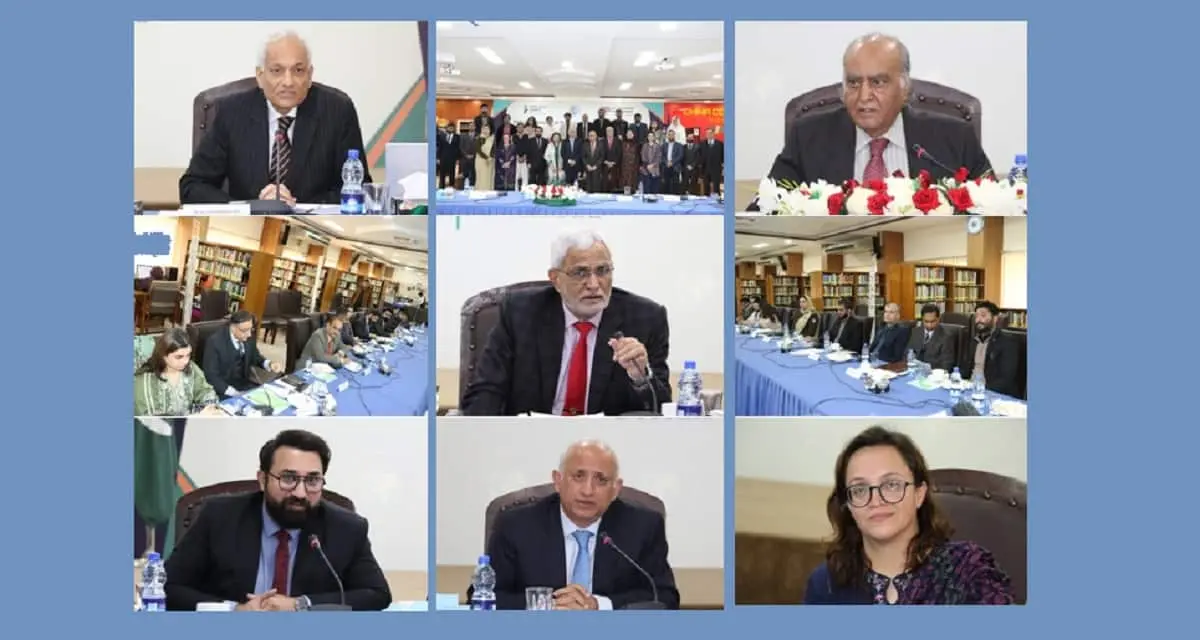
In a landmark high-level roundtable titled “Rapid Population Growth and its Security Implications,” hosted by the Institute of Strategic Studies Islamabad (ISSI) in collaboration with the Population Council Pakistan, policymakers, security experts, academics, and development practitioners converged to reframe population dynamics as a core national security challenge.
From Youth Bulge to Demographic Crisis: The Urgent Warning
Opening the session, Dr. Ali Muhammad Mir, Senior Director at Population Council Pakistan, emphasized that population issues have shifted from the periphery to the center of national security discourse. With a growth rate exceeding 2.1%, Pakistan’s rapid expansion outpaces the state’s ability to deliver essential services like health, education, employment, housing, water, and energy.
Unchecked growth risks transforming the nation’s massive youth bulge into a “demographic liability,” eroding human capital, social cohesion, and governance. Dr. Mir advocated framing population balance as a strategic imperative rooted in rights, responsibilities, and resource alignment—declaring that “population policy is national security policy.”
Ambassador Khalid Mahmood, Chairman of ISSI’s Board of Governors, highlighted demographic pressures intensifying demands on food, water, energy, and urban infrastructure. Citing successes in Bangladesh, Indonesia, and Vietnam, he stressed integrating population factors into long-term planning to convert challenges into opportunities for resilience and competitiveness.
Trends and the Tawazun Solution
Mr. Ali Mazhar from Population Council outlined stark realities: high fertility rates, a massive youth cohort, millions of out-of-school children, low female workforce participation, and stark regional disparities (particularly in Balochistan). Introducing the Tawazun (Balance) Narrative, he described it as promoting voluntary family planning, universal access to services, and harmony between population growth and resources—as part of broader efforts to embed these issues in security frameworks.
Dr. Neelum Nigar, Director at ISSI’s Centre for Strategic Perspectives, positioned rapid growth as a “risk multiplier” that amplifies human security pressures, undermines state legitimacy, and fuels instability in peripheral regions. While praising Pakistan’s human-centric National Security Policy, she pointed to implementation gaps, policy incoherence, and institutional hurdles—calling for risk-based assessments, whole-of-government coordination, and strategic foresight.
Panel Insights: Security and Economic Threats
The panel, moderated by Dr. Saima Zubair and featuring Air Marshal (Retd.) Farhat Hussain and Mr. Haroon Sharif, delivered stark warnings.
Air Marshal Hussain labeled rapid growth as one of Pakistan’s gravest security threats, warning that unemployed, out-of-school youth heighten vulnerability to extremism. He urged people-centric policies prioritizing education, health, and livelihoods.
Mr. Sharif highlighted the political economy mismatch: declining growth, fiscal constraints, mounting debt, and insufficient jobs for millions entering the workforce annually. He advocated depoliticized policymaking, innovative youth financing, and a shift to skills and technology-driven economy.
Participants linked population growth to broader threats like water scarcity, food insecurity, climate vulnerability, urbanization, and migration—stressing fragmented policies and underinvestment undermine stability. They called for better data, coordination, engagement with religious leaders, media, and youth, and integrating Tawazun into security and development planning.
Demography Isn’t Destiny—Policy Choices Are
The roundtable concluded with consensus: rapid growth amplifies Pakistan’s security, governance, and development woes. Yet, with renewed commitment and foresight, population management can bolster the national security framework.
As experts reiterated, “demography is not destiny”—strategic actions today will decide if Pakistan’s population becomes a driver of risk or a foundation for strength and prosperity.