

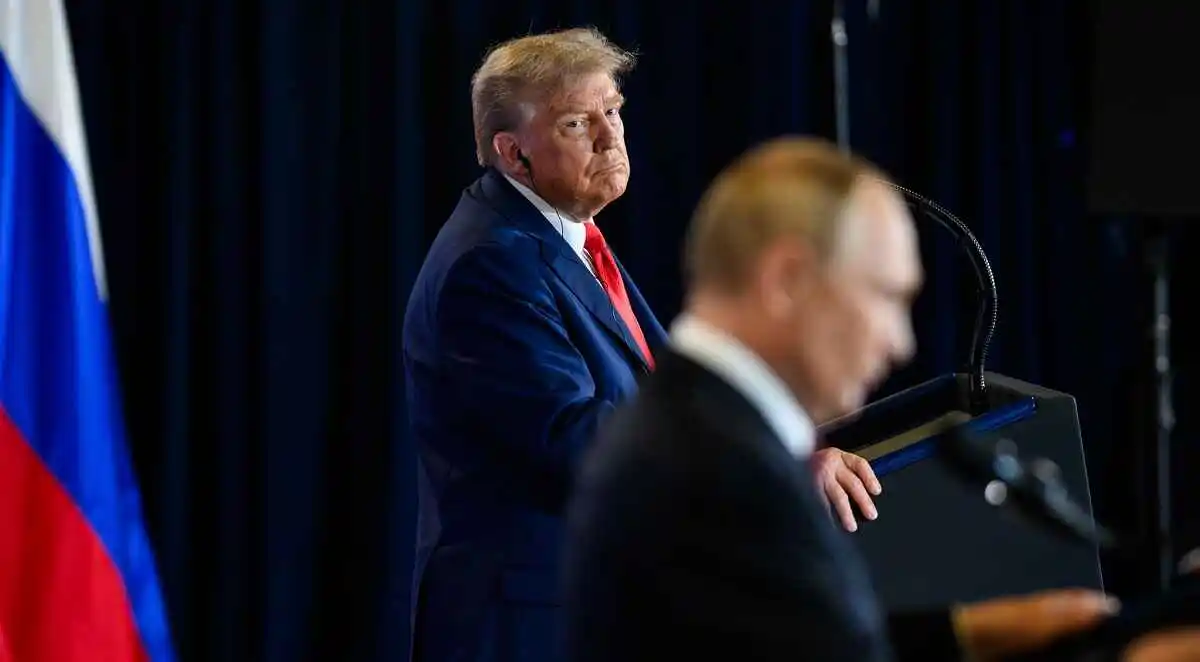
As diplomatic efforts to end the Russia-Ukraine war face intense pressure amid escalating military actions. Russia launched a large-scale overnight attack on Kyiv involving nearly 500 drones and 40 missiles, targeting energy infrastructure and civilian areas just days before a crucial meeting between Ukrainian President Volodymyr Zelensky and U.S. President Donald Trump. This assault, causing widespread power outages in freezing temperatures, has been condemned by Zelensky as an attempt to undermine peace negotiations, highlighting the fragile balance between talks and ongoing hostilities.
Russian Attacks Amid Peace Efforts
Russia’s recent barrage on Kyiv damaged residential buildings, injured dozens, and left thousands without power or heating during sub-zero conditions. Poland scrambled fighter jets and activated air defenses along its border as a precautionary measure, though no airspace violations occurred. Zelensky accused Russia of using “Daggers and Shaheds” – referring to missiles and drones – to speak on behalf of its negotiators, stating that such actions demand strong responses from allies like the U.S. and Europe.
These strikes follow a pattern of intensified Russian assaults, including over 600 drones and missiles earlier in the week, underscoring Moscow’s apparent reluctance to de-escalate despite diplomatic engagements.
The Revised 20-Point Peace Plan: Progress and Compromises
A revised 20-point draft peace plan, developed collaboratively by Ukraine and the U.S., has been described by Zelensky as approximately 90% complete and a “foundational document” for ending the war. This shorter version improves on an earlier 28-point proposal seen as too Russia-friendly.
Key elements include:
- Strong Security Guarantees: Article 5-like protections from the U.S., NATO allies, and Europe, enabling a coordinated response to future aggression. Ukraine aims to maintain a peacetime army of 800,000 troops, funded by Western partners.
- Territorial Proposals: A potential “free economic zone” in contested parts of Donbas, demilitarized and under Ukrainian administration and policing, with international forces monitoring contact lines. Any final territorial arrangements would require a Ukrainian referendum.
- Zaporizhzhia Nuclear Plant: Arrangements for joint operations or safety measures, possibly including a similar economic zone.
- Reconstruction and Economy: Commitments to postwar rebuilding, EU membership pathways, and economic support.
- Other Measures: Russian troop withdrawals from certain regions, monitoring mechanisms, and non-aggression pledges.
Zelensky emphasized alignment on most points with the U.S., but territorial issues remain unresolved and will be addressed at the leadership level.
Positions of the Key Players
- Ukraine (Zelensky): Optimistic yet cautious, Zelensky views the plan as a step toward lasting peace without full capitulation. He insists on robust guarantees and public approval via referendum, warning that Russian aggression shows no genuine desire for peace.
- United States (Trump): Trump has expressed confidence, stating discussions are progressing and he expects positive outcomes with both Zelensky and Putin soon. However, he stressed that no deal exists without his approval, tempering expectations.
- Russia (Putin and Kremlin): Moscow has been briefed and is formulating a response, but shows limited flexibility. Core demands persist, including full control of Donbas and Ukrainian neutrality regarding NATO. Ongoing strikes and downplaying of progress suggest skepticism toward compromises.
Upcoming Trump-Zelensky Meeting in Florida
Zelensky is scheduled to meet Trump in Florida on Sunday, December 28, 2025, to finalize sensitive aspects, particularly territory and security. This high-level discussion aims to push the plan to 100% readiness, with Zelensky noting a “broad agenda” including reconstruction and guarantees. European leaders are also coordinating, with potential calls involving EU figures.
Trump has indicated optimism, anticipating talks with Putin afterward, but emphasized the need for compromise from all sides.
Challenges Threatening a Breakthrough
Major obstacles include:
- Territorial Disputes: Ukraine proposes economic zones to avoid ceding land outright; Russia demands full annexation of claimed areas.
- Military Escalation: Continued Russian attacks erode trust and complicate diplomacy.
- Security and Implementation: Ensuring enforceable guarantees and monitoring, plus international involvement in any peacekeeping.
Zelensky has called for severe consequences, like sanctions, if Russia rejects fair terms.
Prospects for Peace
With the Trump-Zelensky meeting looming, late December represents a potential turning point. Public sentiment in Russia shows growing support for negotiations, while Ukraine prioritizes security. A successful deal could end Europe’s largest conflict in decades, paving the way for reconstruction and stability. However, Russia’s maximalist stance and battlefield actions risk prolonging the war.


