

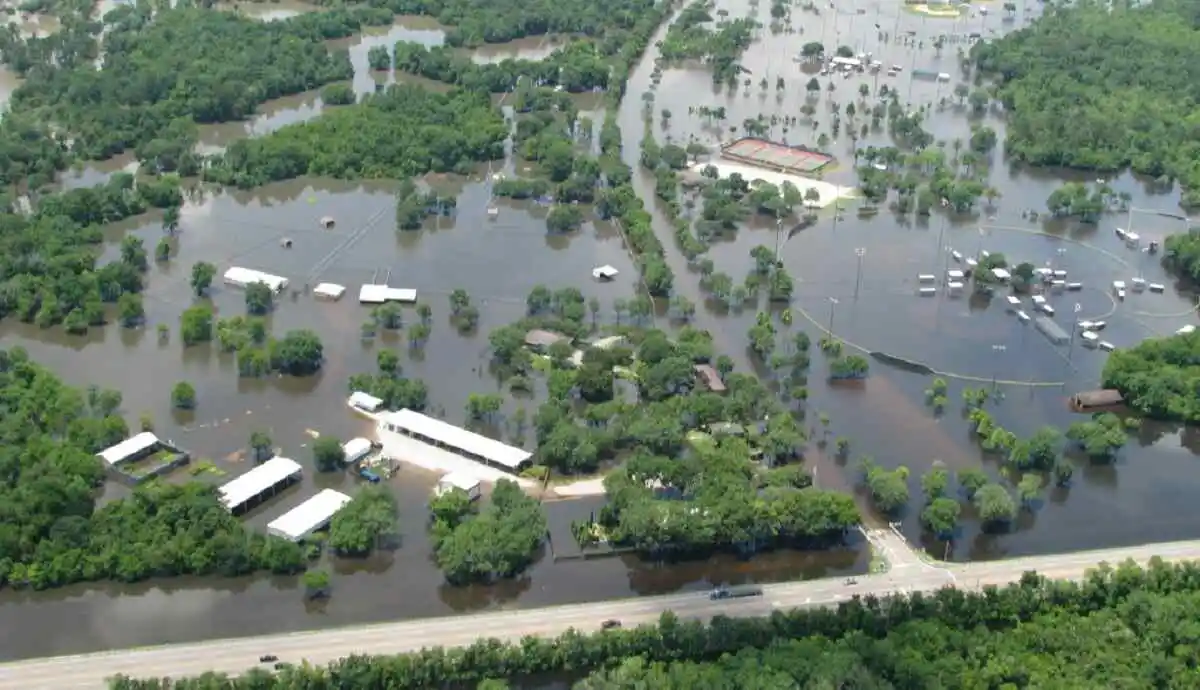
In a year marked by unrelenting environmental fury, 2025 has etched itself into history as one of the most financially crippling periods for climate-related disasters. According to a groundbreaking report by Christian Aid, titled Counting the Cost 2025: A Year of Climate Breakdown, the world’s top 10 most expensive extreme weather events racked up over $122 billion in insured losses alone. This figure, drawn primarily from insurance data by Aon, underscores not just the immediate destruction but the long-term economic ripple effects on global markets, supply chains, and vulnerable populations. But beyond the dollars, these events highlight a deeper crisis: the widening chasm between wealthy nations’ ability to recover and the Global South’s struggle for survival amid a warming planet fueled by fossil fuels.
Unlike traditional news recaps that merely tally damages, this analysis dives into the broader implications—how these disasters are reshaping insurance industries, exacerbating inequality, and demanding a pivot toward sustainable policies. As we approach 2026, understanding these events isn’t just about reflection; it’s about forging a resilient future.
Unpacking the Top 10 Costliest Climate Disasters of 2025
The Christian Aid report meticulously details 10 events that each inflicted at least $1 billion in insured damages, spanning wildfires, cyclones, floods, and droughts across continents. These aren’t random acts of nature; scientific attributions link them directly to human-induced climate change, with warmer atmospheres and oceans amplifying their intensity. Here’s a comprehensive overview:
- Palisades and Eaton Wildfires, United States (January) Location: California Insured Losses: Over $60 billion Human Toll: 31 direct deaths, approximately 400 additional from related factors like poor air quality and healthcare disruptions Description: Fueled by prolonged drought, high temperatures, and strong winds, these fires ravaged neighborhoods, leading to massive evacuations and property destruction. Climate science shows such events are 35% more likely due to global warming.Impact: The blazes disrupted tech hubs and agriculture, sending shockwaves through U.S. supply chains.
- Cyclones and Floods in South and Southeast Asia (November) Locations: Thailand, Indonesia, Sri Lanka, Vietnam, Malaysia Insured Losses: Approximately $25 billion Human Toll: Over 1,750 deaths Description: A series of storms, including Senyar, Ditwah, and Koto, brought torrential rains and flooding, damaging infrastructure and crops. Warmer atmospheres increased rainfall intensity. Impact: Millions displaced, with long-term effects on food security in one of the world’s most populous regions.
- Seasonal Flooding in China (June-August) Location: China Insured Losses: $11.7 billion Human Toll: At least 30 deaths, thousands displaced Description: Extreme rainfall overwhelmed rivers and urban areas, affecting crops and global supply chains. Climate change has made such precipitation events more intense. Impact: Highlighted vulnerabilities in manufacturing hubs, potentially inflating global consumer prices.
- Hurricane Melissa (Mid-to-Late 2025) Locations: Jamaica, Cuba, Bahamas Insured Losses: Approximately $8 billion Human Toll: Death toll not fully finalized Description: This Category 5-equivalent storm rapidly intensified over unusually warm seas, causing widespread destruction. It’s estimated to be 30% more intense and twice as likely due to climate change.Impact: Tourism and agriculture sectors devastated, straining Caribbean economies.
- Monsoon Season Flooding and Landslides in India and Pakistan (June-September) Locations: India, Pakistan Insured Losses: Approximately $5.6 billion Human Toll: Over 1,860 deaths, more than 7 million affected in Pakistan Description: Heavy rains combined with glacial melt led to floods and landslides. In Pakistan, monsoons were 12% more intense due to warming. Impact: Massive crop losses exacerbated food inflation and poverty.
- Typhoons in the Philippines (Mid-Year to November) Location: Philippines Insured Losses: Over $5 billion Human Toll: Hundreds of deaths, over 1.4 million displaced Description: Storms like Ragasa and Fung-wong brought surges and heavy rains, intensified by climate change. Impact: Repeated hits strained disaster response systems in an archipelago nation.
- Drought in Brazil (January-June) Location: Brazil Insured Losses: $4.75 billion Human Toll: Not specified, but widespread agricultural impacts Description: Severe dryness hit the Amazon, reducing yields; 30 times more likely due to climate change.Impact: Global commodity prices for soy and coffee rose as exports faltered.
- Ex-Tropical Cyclone Alfred (February) Location: Australia Insured Losses: $1.2 billion Human Toll: 1 death Description: Strong winds and erosion from a cyclone fueled by warmer oceans. Impact: Coastal communities faced rebuilding costs amid rising sea levels.
- Cyclone Garance (February) Locations: Réunion, Mauritius Insured Losses: $1.05 billion Human Toll: 5 deaths Description: Winds and floods from a stronger storm due to warmer seas caused outages. Impact: Island economies disrupted, highlighting small nations’ vulnerability.
- Floods in Texas, United States (July) Location: Texas Insured Losses: Approximately $1 billion Human Toll: Over 135 deaths Description: Extreme nighttime rainfall led to flash flooding, 9% more intense from climate change.Impact: Energy infrastructure hit, affecting U.S. oil production.
These events spared no continent, with Asia bearing four of the top six.
The Human and Economic Ripple Effects: Beyond the Billions
While the $122 billion in insured losses grabs headlines, the report emphasizes that true costs soar higher when factoring in uninsured damages, lost livelihoods, and environmental degradation. In poorer nations, where insurance penetration is low, events like Nigeria’s May floods (up to 700 deaths) or Iran’s ongoing drought (threatening 10 million in Tehran) inflict disproportionate suffering without making the “top 10” list. This disparity exposes a global inequity: Wealthy countries rebound via insurance, while the Global South, least responsible for emissions, faces existential threats.
Economically, these disasters could shave trillions off global GDP annually if unchecked. Industries like agriculture, tourism, and manufacturing are hit hardest, leading to supply shortages and inflation. For insurers, rising claims signal a “protection gap,” potentially making coverage unaffordable and sparking a crisis in risk management.
Scientific Ties to Climate Change and the Fossil Fuel Factor
Every disaster in the report is amplified by anthropogenic warming. Emeritus Professor Joanna Haigh notes, “These disasters are not ‘natural’ — they are the predictable result of continued fossil fuel expansion and political delay.” Warmer oceans fuel stronger hurricanes, while a heated atmosphere holds more moisture, intensifying floods. The past decade’s record heat, with 2024 as the hottest year, sets the stage for more extremes.
Charting a Path Forward
Christian Aid’s CEO Patrick Watt warns, “The suffering caused by the climate crisis is a political choice.” Recommendations include:
- Submitting ambitious Nationally Determined Contributions (NDCs) to limit warming to 1.5°C.
- Halting new fossil fuel projects and redirecting subsidies to renewables.
- Scaling up the Loss and Damage Fund with grants, not loans, for affected communities.
- Investing in adaptation like early warning systems and sustainable agriculture.
- Improving data collection in the Global South for better response.
As Mohamed Adow of Power Shift Africa states, “In 2026, governments must… provide real support for the people on the frontlines.”
Can We Avert the Next $122 Billion Crisis?
2025’s climate toll is a harbinger—if emissions continue, costs could escalate to trillions by mid-century. Yet, hope lies in rapid transitions: Renewables are now the cheapest energy source, and global action at COP31 could turn the tide. By prioritizing equity and sustainability, we can mitigate future disasters and build a more resilient world. The question isn’t if we can afford to act—it’s if we can afford not to.


