

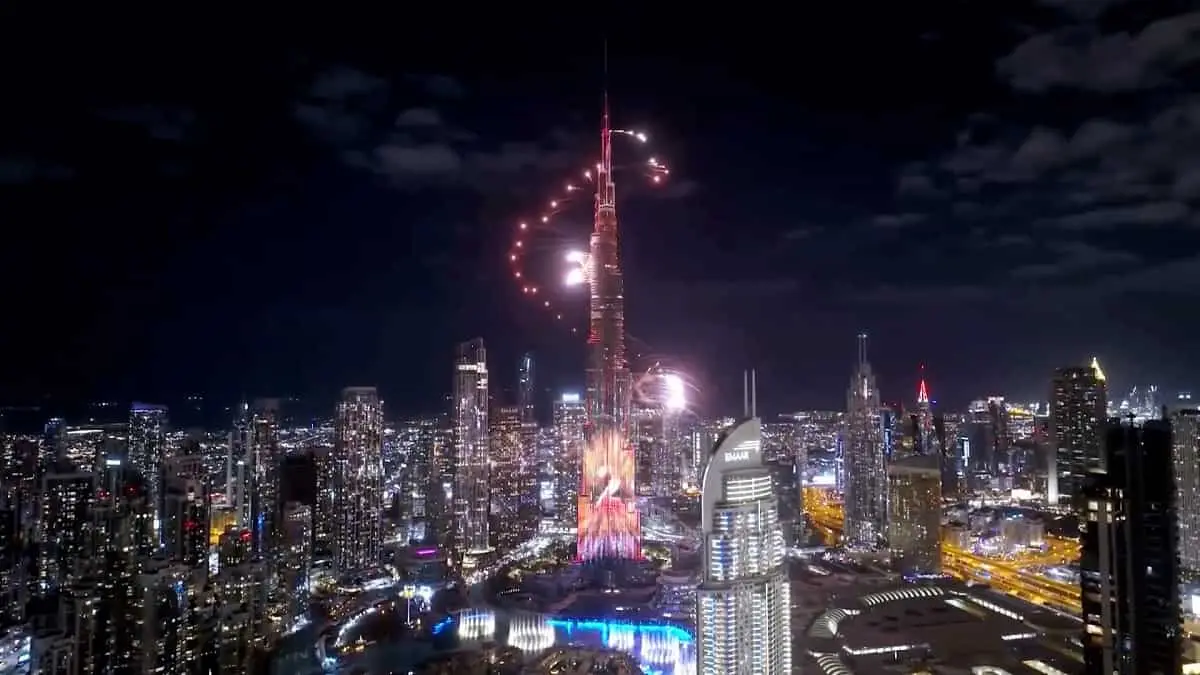
As the world welcomed 2026 with fireworks and festivities, the new year dawned under a shadow of sorrow. From a catastrophic blaze in a Swiss Alpine bar claiming dozens of lives to scattered fatalities across Europe and persistent violence in conflict zones, January 1 painted a grim picture of human vulnerability.
The Heart of the Tragedy: Switzerland’s Devastating New Year’s Eve Blaze
Switzerland, often synonymous with pristine slopes and serene holidays, faced one of its darkest moments as 2026 began. Around 1:30 a.m. local time, a fire erupted at a popular bar in the upscale ski resort of Crans-Montana, in the southern canton of Valais. The blaze, preceded by reports of an explosion, tore through the crowded venue during peak New Year’s celebrations, leaving approximately 40 people dead and over 115 injured—many critically with burns and smoke inhalation.
Eyewitness accounts describe chaos as civilians rushed to carry victims from the flames, while emergency services battled to contain the inferno. Preliminary investigations point to possible overcrowding and safety lapses, though the exact cause—whether electrical fault, fireworks mishap, or something more sinister—remains under probe. Hospitals across the region were placed on high alert, with international victims among the casualties, including reports of missing individuals from neighboring countries.
This incident stands as Switzerland’s deadliest fire in recent memory, surpassing previous Alpine disasters in scale and timing. It overshadowed the nation’s traditional festivities, prompting the president to postpone the annual New Year’s address in a gesture of national mourning.
A Continent Rings in 2026 with Fireworks Fatalities and Unrest
Europe’s New Year wasn’t confined to Switzerland’s sorrow; scattered accidents and violence marked a turbulent start across the continent. In the Netherlands, fireworks mishaps claimed two lives—a 38-year-old man near Amsterdam and a young boy in the east—while a historic church in the capital suffered severe fire damage, displacing cultural heritage and drawing emergency responses.
Germany reported similar heartbreak, with two 18-year-olds succumbing to facial injuries from fireworks explosions, despite a relatively calmer night compared to prior years. France, alongside these nations, saw riots erupt during celebrations, turning joyful gatherings into scenes of clashes and property destruction.
These incidents highlight a pattern: while overall New Year’s Eve violence dipped in some areas, preventable accidents from pyrotechnics and overcrowding claimed lives, injuring dozens more. Europe’s start to 2026 underscores ongoing safety challenges in public events, with urban centers bearing the brunt amid economic strains and social tensions.
Accidents Worldwide on January 1, 2026
Beyond Europe, the first day of 2026 brought a mix of isolated tragedies and grim projections. In the United States, safety experts estimated around 429 road fatalities during the holiday period, a slight uptick from the six-year average, attributed to increased travel and impaired driving. No major singular events dominated, but the cumulative toll from vehicular mishaps painted a sobering picture of seasonal risks.
Elsewhere, reports were sparse but poignant: scattered fireworks-related injuries in various regions, though nothing rivaling Europe’s scale. The global tally, while not exhaustive, suggests a quieter start outside the continent, with focus shifting to natural disasters and ongoing conflicts rather than acute accidents.
Has the Swiss Accident Deterred Global Tourists? Unpacking the Fear Factor
The Crans-Montana fire has inevitably raised alarms for travelers eyeing Switzerland’s $10 billion Alpine tourism industry. Early indicators show a dip in bookings for ski resorts, with some operators reporting cancellations amid safety concerns. Tourists worldwide, particularly from Europe and Asia, express hesitation online, citing fears of overcrowding and inadequate emergency protocols in remote areas.
This scare could reshape 2026 trends, pushing visitors toward less crowded destinations or delaying trips. Switzerland’s reputation for precision and safety takes a hit, potentially costing local economies reliant on winter visitors. However, resilient marketing and swift reforms might mitigate long-term damage.
Why Did the Swiss Government Fall Short? A Critical Examination
Critics point to systemic oversights in the government’s handling. Despite strict building codes, the bar’s capacity during the event may have exceeded limits, with no immediate enforcement visible. The rapid spread suggests possible lapses in fire suppression systems or inspection routines, especially in tourist-heavy zones.
The response, while prompt in mobilizing aid, lacked preemptive measures for high-risk holidays. Postponing the presidential address was symbolic, but calls grow for accountability, including independent audits. Failure here stems from balancing tourism revenue with rigorous safety— a perennial challenge now under global scrutiny.
War Zones in Turmoil: Ukraine and Gaza’s Dire Start to 2026
In Ukraine, the new year brought no respite from nearly four years of conflict. Russia launched over 200 drones, targeting infrastructure, while accusing Ukraine of a strike killing 24 in occupied territory. Ukrainian forces face intense pressure in the south, outnumbered and under-equipped, amid talks of buffer zones and fragile peace prospects. Casualties mount, with no end in sight despite diplomatic murmurs.
Gaza’s 2026 opened with deepened despair: a child succumbed to cold exposure amid harsh winter conditions, exacerbating a humanitarian crisis. Israel’s ban on 37 aid organizations, effective January 1, has drawn condemnation, potentially severing essential support for hundreds of thousands. Over 2,600 families have been wiped out in the conflict, leaving survivors in dire straits. The move risks worsening famine and displacement, with international pleas for reversal ignored.
The beginning of 2026 serves as a stark reminder of fragility— from preventable fires to unrelenting wars. Switzerland’s loss, Europe’s unrest, and global hotspots like Ukraine and Gaza highlight the need for enhanced safety, diplomacy, and aid.


