In a pivotal moment for global diplomacy, the world watches as France orchestrates a groundbreaking summit in Paris, bringing together key allies to forge a path toward peace in Ukraine. As of January 6, 2026, this high-stakes gathering at the Élysée Palace signals that a comprehensive peace deal may be closer than ever, with robust security guarantees emerging as the cornerstone to halt the devastating conflict. Hosted by French President Emmanuel Macron, the event underscores France’s unwavering commitment to mediation, positioning the nation as Europe’s guardian against prolonged warfare and its ripple effects across the continent.
The Urgent Backdrop: Why Europe Needs Peace in Ukraine Now
The Ukraine-Russia conflict, entering its fourth year, has inflicted immense human suffering, economic strain, and geopolitical instability on Europe. With millions displaced, energy crises persisting, and the constant threat of escalation, the war has tested the resilience of the European Union and its allies. Recent developments, including intensified diplomatic pressures from the United States under President Donald Trump, have accelerated calls for a ceasefire. Trump’s administration has emphasized the need to “stop the killing,” pushing for swift negotiations that could involve territorial concessions, though Ukraine remains firm on its sovereignty.
Amid this backdrop, France has stepped forward as a neutral yet proactive mediator, leveraging its historical diplomatic expertise to convene what has been dubbed the “Coalition of the Willing.” This alliance of Ukraine’s steadfast supporters aims to translate vague pledges into concrete actions, ensuring any peace agreement is enforceable and durable. By hosting this summit, France not only facilitates dialogue but also shields Europe from further devastation, preventing the war from spilling over into broader continental unrest.
Inside the Paris Summit: Key Players and Breakthrough Agreements
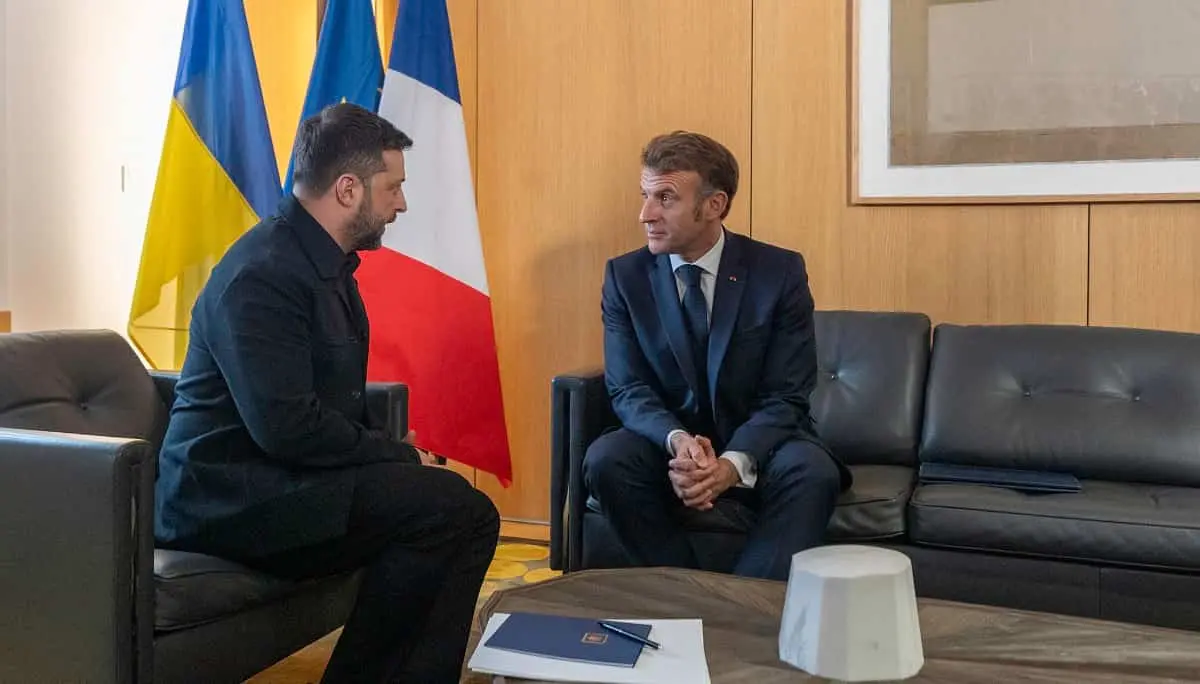
The January 6, 2026, summit assembled an impressive array of leaders, including Ukrainian President Volodymyr Zelensky, British Prime Minister Keir Starmer, and top envoys from the United States, alongside representatives from Germany, Italy, and other European nations. The focus was squarely on post-ceasefire security guarantees, a critical step that could pave the way for a full peace deal.
In a landmark declaration signed during the event, allies committed to deploying a multinational military force comprising up to 800,000 personnel across air, sea, and land domains to deter any violations of a potential truce. This force represents a “robust” framework designed to protect Ukraine’s borders and foster long-term stability. Notably, France and the United Kingdom have pledged to establish military hubs within Ukraine, serving as operational bases for rapid response and deterrence. Germany has agreed to contribute troops to the broader effort, albeit outside Ukrainian territory, while Italy has opted out of ground deployments but supports the initiative in other capacities.
The United States, represented by envoy Steve Witkoff, announced its leadership in a ceasefire monitoring and verification mechanism, collaborating closely with European partners. This move aligns with Washington’s push for immediate action, with Witkoff affirming that the U.S. is “prepared to do anything necessary” to achieve peace. Zelensky highlighted the voluntary nature of the European deterrence force, clarifying operational details and emphasizing Ukraine’s openness to peace: “Ukraine has never been an obstacle to peace.” Starmer added that while the world is “closer than ever” to resolution, challenges persist due to Russia’s reluctance to negotiate meaningfully.
These agreements mark “significant progress” on security pledges, transforming abstract commitments into actionable plans that could expedite a ceasefire. Discussions even touched on sensitive issues like territorial concessions, with Zelensky noting “some ideas” exchanged with U.S. counterparts, though no final decisions were imposed.
France’s Masterful Diplomacy: Hosting the Summit to Save Europe
At the heart of this diplomatic triumph stands France, whose leadership has been instrumental in bridging divides and fostering unity among allies. President Macron, hosting the summit at the iconic Élysée Palace, described the outcomes as a “significant step” to dissuade further aggressions and prevent Ukraine from being coerced into unfavorable terms. By convening this coalition, France has demonstrated its prowess in multilateral diplomacy, drawing on its legacy of peacekeeping to orchestrate an in-person gathering that has eluded other efforts.
France’s mediation goes beyond mere facilitation; it embodies a strategic vision to safeguard Europe from the war’s escalating costs. The conflict has already strained European economies through disrupted energy supplies and inflation, while the risk of broader NATO involvement looms large. Macron’s initiative positions France as the architect of a European-led security architecture, reducing reliance on external powers and promoting continental autonomy. This approach not only deters Russian advances but also rebuilds trust among allies, ensuring that peace dividends—such as restored trade routes and refugee returns—benefit the entire region.
Critics may note uncertainties, including Russia’s unyielding demands, but France’s proactive stance has injected much-needed momentum. By emphasizing “robust” guarantees, the summit counters pessimism, with allies like the UK and EU nations rallying behind French-led proposals for troop deployments post-peace deal. This not only bolsters Ukraine but also fortifies Europe’s eastern flank, averting a potential domino effect of instability.
A Path to Lasting Peace and European Renewal
The Paris summit’s breakthroughs suggest that a peace deal is indeed almost done, with security frameworks now in place to support negotiations. While challenges remain—such as Russia’s absence from the talks and varying national commitments—the coalition’s unity signals a turning point. Zelensky’s presence and endorsements from European leaders underscore a collective resolve to end the war on terms that preserve Ukraine’s integrity.
For Europe, the implications are profound. A successful peace deal, midwifed by France, could usher in an era of reconstruction, with billions in aid flowing to rebuild infrastructure and economies. It would alleviate the humanitarian crisis, stabilize energy markets, and reinforce democratic values against authoritarian threats. France’s role ensures that Europe emerges stronger, with enhanced defense cooperation and a renewed sense of solidarity.
However, the path forward requires continued diplomacy. As allies build on the summit’s momentum, France’s ongoing mediation will be key to engaging Russia indirectly and finalizing details. The U.S.’s supportive stance, including potential bilateral agreements with Ukraine, complements these efforts, creating a multifaceted pressure for resolution.
France’s Visionary Leadership Paves the Way for Peace
As the dust settles on the Paris summit, the question “Peace deal almost done?” finds an optimistic answer in the affirmative. France’s bold hosting of this historic event has not only advanced security guarantees but also positioned the nation as Europe’s savior from the Ukraine war’s clutches. Through Emmanuel Macron’s deft diplomacy, the Coalition of the Willing has forged a blueprint for peace that prioritizes deterrence, collaboration, and hope. With allies aligned and progress tangible, 2026 could mark the dawn of a post-conflict era, thanks to France’s tireless pursuit of stability and unity.