
Known worldwide as the “Sports Goods Capital,” Sialkot produces a significant share of the planet’s high-quality sporting equipment, including footballs, cricket gear, and fitness accessories used in professional leagues and everyday markets. The city’s businesses have built strong reputations for craftsmanship, reliability, and integration into international supply chains.
During her visit, CDA Baker toured leading companies such as Forward Sports, First American Corporation Limited (FAC), and CA Sports. These firms exemplify Sialkot’s global reach—nearly 70% of FAC’s exports target the U.S. market alone, reflecting steady American consumer demand for Pakistani-manufactured goods. Such partnerships create thousands of jobs locally while supplying top-tier products to U.S. retailers and sports brands.
Baker’s itinerary also included the modern Sialkot International Airport—Pakistan’s first privately owned and operated airport—and discussions with AirSial leadership. These stops highlighted how efficient infrastructure and private-sector innovation support export growth, reduce logistics bottlenecks, and strengthen trade connectivity.
Surging U.S.-Pakistan Trade: A Path to $8 Billion+ in 2025
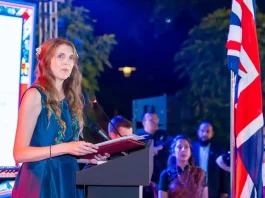
Speaking at a lunch event hosted by the Sialkot Chamber of Commerce, CDA Baker celebrated the robust commercial relationship between the two countries. She noted that bilateral trade is on track to surpass $8 billion in 2025, building on consistent growth and a foundation of positive U.S. economic engagement.
“Expanding trade reflects a strong foundation that highlights the positive impact of U.S. economic engagement in Pakistan and globally. The United States and Pakistan are pursuing a fair and balanced trade relationship that creates prosperity for both our nations.”
For over two decades, the United States has served as Pakistan’s largest export market and a major source of investment. This enduring position opens doors for expanded opportunities in sectors like sporting goods, textiles, leather products, and emerging areas such as technology and innovation.
Baker emphasized U.S. commitment to sharing American technology, innovation, and entrepreneurship to foster job creation and community development on both sides. This approach goes beyond simple trade volumes—it’s about building sustainable partnerships that benefit workers, businesses, and consumers.
Tying Sports, Business, and Bilateral Legacy
The timing of the visit aligns with the United States’ 250th anniversary of the Declaration of Independence—a milestone celebrating not just history but forward-looking leadership in commerce, innovation, and global partnerships. As the U.S. hosts the “American Decade of Sports” with major upcoming international events, collaborations like those in Sialkot connect people, markets, and cultures through shared passions for athletics and enterprise.
CDA Baker concluded by reaffirming long-term U.S. investment in Pakistan and its people:
“The United States remains deeply invested in Pakistan and its people, building on a partnership that dates back to Pakistan’s independence and continues to grow through trade, innovation, education, and cultural exchange.”
Why This Matters for Businesses and Investors
- For Pakistani exporters: The U.S. market offers scale, reliability, and premium pricing for quality goods—especially in sports and related industries.
- For U.S. companies and consumers: Access to cost-effective, high-standard products supports supply chain diversity and product variety.
- For broader economic ties: Initiatives like these signal opportunities for increased investment, technology transfer, and joint ventures.
As U.S.-Pakistan relations evolve through practical, results-oriented engagements like the Sialkot visit, the focus remains clear: stronger trade and investment deliver tangible wins—more jobs, innovation, and prosperity—for both countries. Sialkot’s success story is a compelling example of what balanced, forward-thinking bilateral cooperation can achieve.