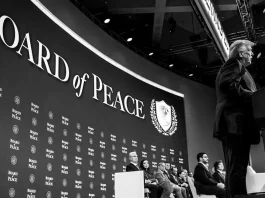
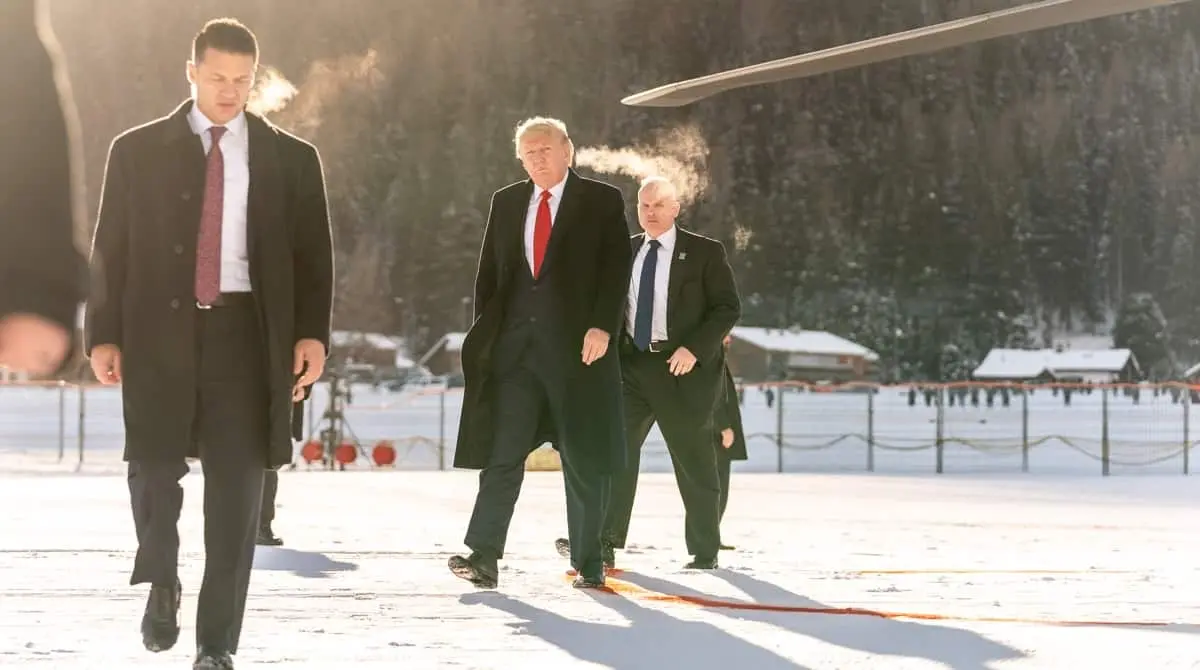
President Donald Trump steps onto the World Economic Forum stage in Davos, Switzerland, ready to shake things up. For over an hour, he delivers a free-wheeling talk that’s equal parts rally cry and policy punch, touching on everything from Arctic ambitions to energy debates. If you’ve been following “Trump WEF address 2026” trends, you know it’s got people talking. But what really stood out? And why does it matter for the rest of us watching from afar?
Trump painted a picture of a world where the U.S. leads by demanding more from allies and seizing opportunities. Have you ever wondered how one address could stir up so much debate on global security and economics?
Trump’s Push for Greenland: A “Small Ask” with Huge Implications?
Right off the bat, Trump zeroed in on Greenland, calling it essential for U.S. national security against rivals like Russia and China. He reminisced about World War II, saying America “gave Greenland back to Denmark” after defending it, and questioned, “How stupid were we to do that?” Now, he’s framing a potential acquisition as a straightforward move in a changing Arctic landscape.
But pause for a second—what if this “Trump Greenland strategy 2026” is more than just talk? With climate change opening new shipping routes and resources, could owning Greenland reshape global trade? Or does it risk straining ties with Denmark and other allies? Think about it: In a world of melting ice, who’s really positioned to win the resource race?
NATO Under the Spotlight: Fair Shares or Tough Love?
Trump didn’t hold back on NATO, claiming the U.S. has shouldered “virtually 100%” of the load while allies lagged. He boasted that his pressure has pushed them toward higher contributions, even joking about a jump to “5%.” It’s a familiar theme from his playbook—America first, but with a nudge for everyone to step up.
Here’s where it gets interesting: Have you considered how “Trump NATO comments Davos” might actually highlight real progress? More countries are hitting spending targets than ever, potentially strengthening the alliance against threats. Yet, what happens if this tough talk leads to fractures? Could it inspire a more balanced NATO, or widen divides in an already tense world?
Wind Energy as the “New Green Scam”: A Critique Worth Debating?
Shifting gears, Trump labeled wind energy a “new green scam,” pointing fingers at China for producing turbines without building farms he could spot. He argued it’s unreliable and overhyped, contrasting it with U.S. energy independence.
What do you make of that? In the context of “Trump wind energy critique 2026,” is he onto something about uneven global standards—China leading in production but still relying on coal? Or does it overlook renewables’ role in fighting climate change? Imagine if this sparks a fresh look at energy policies: How can we balance innovation with reliability without getting scammed, as he puts it?
Calling Out UK Oil Policies: High Taxes and Lost Opportunities?
Trump took aim at the UK’s North Sea oil approach, saying they “make it impossible for the oil companies to go” by taking “92% of the revenues.” He warned it drives away investment, hurting energy security.
Reflect on this for a moment—in the “Trump UK oil policy comments,” could this be a wake-up call for nations juggling green transitions and economic realities? What if high taxes on profits (not revenues, mind you) are pushing production elsewhere? Does it make you question how countries can secure energy without alienating investors?
Boasting Big Investments: $18 Trillion and Counting?
Wrapping up on a high note, Trump touted “record-breaking 18 trillion dollars” in secured commitments, painting a rosy picture of U.S. economic resurgence under his watch.
But let’s chew on that: Amid “Trump US investments Davos 2026” hype, what if these figures represent aspirational goals, with billions already flowing in? Have you pondered how such boasts could attract even more deals, even if the exact tally evolves? Or does it raise doubts about transparency in global economics?
As the speech ended, Trump left the audience—and us—with a sense of America reclaiming its edge. It’s confident, it’s confrontational, and it’s got the world buzzing. So, what lingers for you? Could this “Trump Davos speech 2026” signal a new era of assertive U.S. diplomacy, or just more of the same divides?