As international attention remains sharply fixed on the nearly four-year conflict in Ukraine, US-led peace negotiations have entered what American officials describe as a critical final stage. According to U.S. Special Envoy Steve Witkoff, discussions involving Russia and Ukraine have been reduced to a single unresolved issue, a development that Western diplomats claim could clear the way for a potential settlement — if both sides choose compromise.
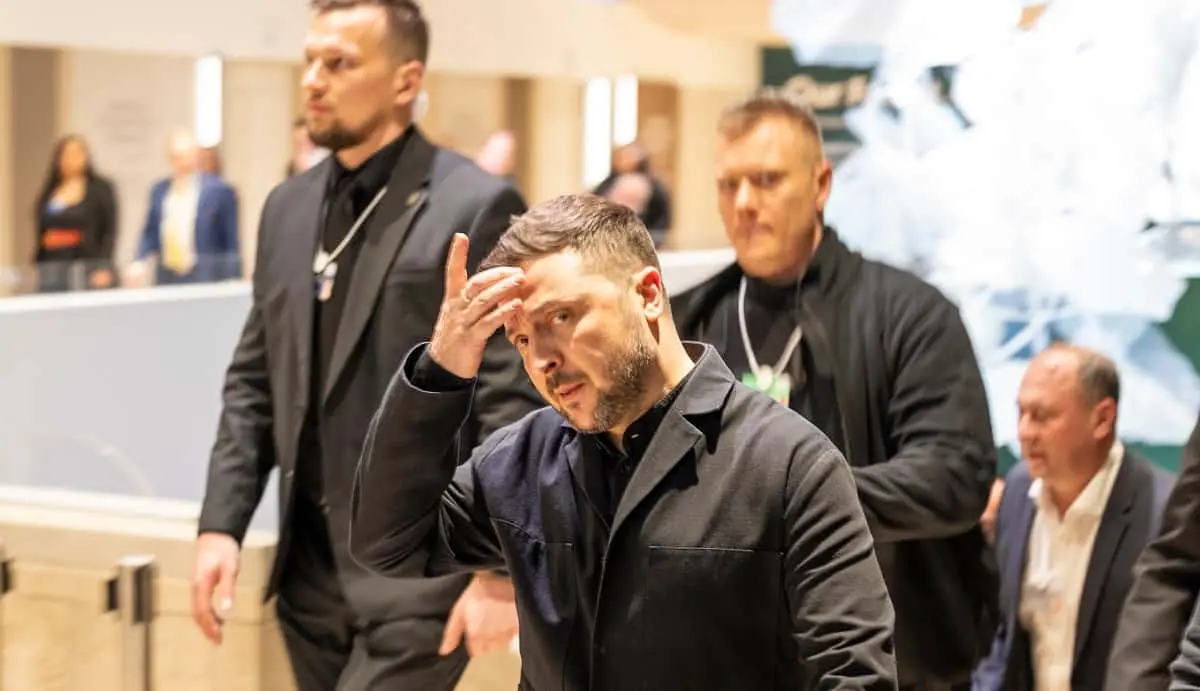
Witkoff’s remarks came on 22 January at the World Economic Forum (WEF) in Davos, Switzerland, where he said significant progress had been made in peace negotiations and that a solution now hinges on resolving one core disagreement.
Peace Talks Enter Homeland Stretch
Speaking on the sidelines of the WEF, Witkoff framed the negotiations as nearing a critical juncture. “We’ve got it down to one issue, and we have discussed iterations of that issue, and that means it’s solvable,” he told an audience, expressing cautious optimism about the path ahead.
Witkoff and Jared Kushner, Senior Adviser to President Donald Trump, were scheduled to travel to Moscow later the same day for further talks with Russian officials. From there, they were set to continue discussions in Abu Dhabi, focused on military-to-military working groups and broader diplomatic engagement.
The ‘Single Issue’: Territory or Security Guarantees?
While Witkoff did not publicly specify which issue remains unresolved, diplomats and analysts point to territorial control as the most contentious sticking point. Moscow has long insisted that Ukraine must relinquish claims to several regions, including parts of Donetsk, Luhansk, Kherson and Zaporizhzhia — areas annexed following referendums in 2022 that Kyiv and most of the international community do not recognise.
Ukraine has maintained it cannot constitutionally cede territory while at war, complicating negotiations over possible compromises to end hostilities. The fate of these regions, alongside questions about sovereignty and security guarantees, continues to define the principal fault line between Kyiv and Moscow.
Trump’s Push and International Context
President Donald Trump, speaking at Davos a day earlier, echoed the narrative of progress, saying he believed the leaders of Ukraine and Russia were “at a point now where they can come together and get a deal done.”
Nevertheless, outside of Davos, broader geopolitical realities complicate the picture. Russian President Vladimir Putin reportedly met with U.S. envoys in Moscow as part of the intensified diplomatic push, while Ukrainian officials have stressed the need for strong security guarantees and reconstruction support in any eventual peace agreement.
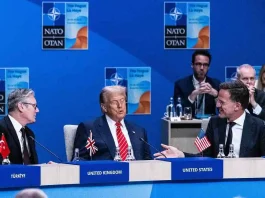
Meanwhile, Ukraine continues to face ongoing Russian drone and missile attacks, even as Western allies offer military and economic support. NATO officials have stressed that while diplomatic efforts are essential, continued assistance remains “vital” for Kyiv to withstand pressure at the front.
A Solvable But Sensitive Standoff
The United States’ framing of the talks as down to one issue highlights a tactical shift in negotiations — from broad frameworks to fine-tuning a final settlement. This suggests that diplomats believe a resolution is technically achievable, but only if both sides demonstrate political will to compromise.
Critics, however, warn that even a “one-issue” peace deal may be far from simple. Territorial concessions, security guarantees, and the long-term structure of Ukrainian sovereignty are deeply emotive and politically charged topics in Kyiv, while Moscow’s strategic objectives remain opaque. This makes any agreement — even one technically feasible — a delicate balancing act between pragmatism and principle.
The coming weeks could prove pivotal. With Witkoff and Kushner heading to Moscow and Abu Dhabi, diplomatic efforts are intensifying while the international community watches closely. Whether this phase leads to concrete agreements or further stalemate will shape not only the future of the Ukraine war but also broader global diplomacy and transatlantic relations.
If the remaining issue can indeed be resolved, it may open a rare window for ending one of the most destructive conflicts in Europe since World War II. But as Witkoff’s remarks suggest, agreement is still contingent on political will — and the willingness of leaders on all sides to compromise on deeply sensitive terms.