The rise of young talent in cricket often tells a compelling story of overcoming odds. What do you think makes a journey from a small town with limited resources to representing the nation at a global youth tournament so inspiring?
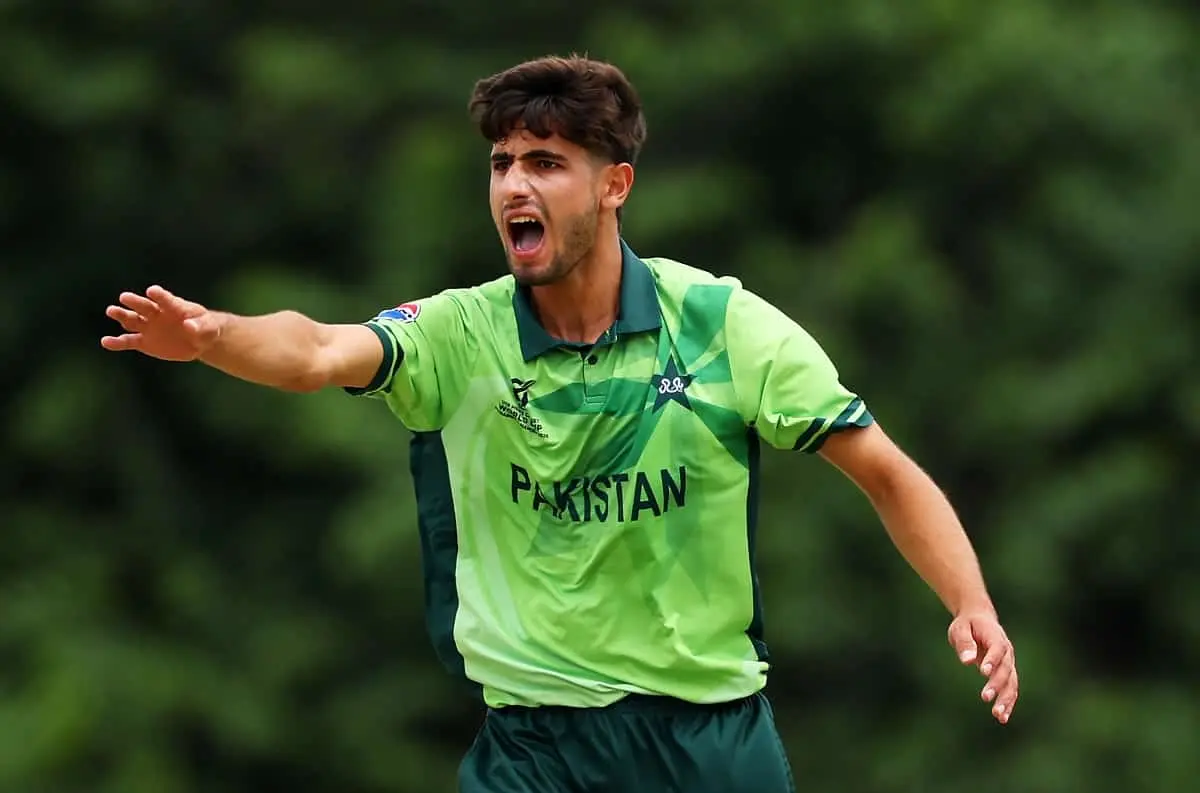
Consider the case of Mohammad Sayyam, a 17-year-old left-arm fast bowler from Lower Dir, Khyber Pakhtunkhwa. How might starting cricket in school trials, without top-tier facilities, shape a player’s mindset and determination?
Reflect on his own words: his interest sparked early in school, where strong performances in trials built his confidence. If a teacher like Mohammad Tahir spots potential and urges joining an academy, how crucial do you believe early mentorship is in nurturing raw talent in underserved areas?
Sayyam then joined DCA Cricket Academy under coach Ijaz-ul-Haq. What role do you suppose consistent guidance from a coach who invests personally plays in transforming district-level promise into something more?
His path progressed steadily—representing Peshawar in the Inter-Region U16 One-Day Tournament in 2023 (despite rain limiting play to two matches), then breaking through with 14 wickets in seven games in the National Men’s U19 Cup last year. Does this progression suggest that exposure at regional levels, even if interrupted, can be a vital confidence builder?
That momentum led to selection in Pakistan U19, a training camp in Multan, and strong showings in the ACC Men’s U19 Asia Cup in Dubai—10 wickets across five matches, including two in the final against India. When a player from a region where few reach this level says representing Pakistan brings immense pride and feels even more special due to those limitations, what deeper meaning might that carry about perseverance and national honor?
Inspired by Wasim Akram, whom he admires as a left-arm fast bowling legend, Sayyam aspires to follow similar footsteps. Why do you think role models from the same bowling style can be so motivating for a young pacer?
Now in the ongoing ICC U19 Men’s Cricket World Cup in Zimbabwe (with Super Six matches in Harare), he has already contributed—taking three wickets in the tri-series and featuring in recent games, including supporting Pakistan’s bowling in key wins that secured their Super Six qualification. With his focus on delivering strong performances to help the team chase the trophy, how might a young bowler’s mindset shift when wearing national colors becomes both an honor and a responsibility?
He expresses deep gratitude to family, teachers, and coaches for their unwavering support. If success in such journeys rarely happens in isolation, what lessons about community and belief might we draw from stories like his?
As Pakistan U19 pushes forward in the tournament, what excites you most about watching talents like Mohammad Sayyam continue to develop—perhaps not just their skills, but the inspiration they provide to others from similar backgrounds dreaming of the green shirt?