In the midst of escalating unrest, the Iran regime has deployed heavy force against widespread protests, leading to significant casualties and a deepening crisis. The regime’s aggressive response, the tragic toll with more than 200 killed in Tehran alone.
The Regime’s Rapid Deployment of Heavy Force Against Protesters
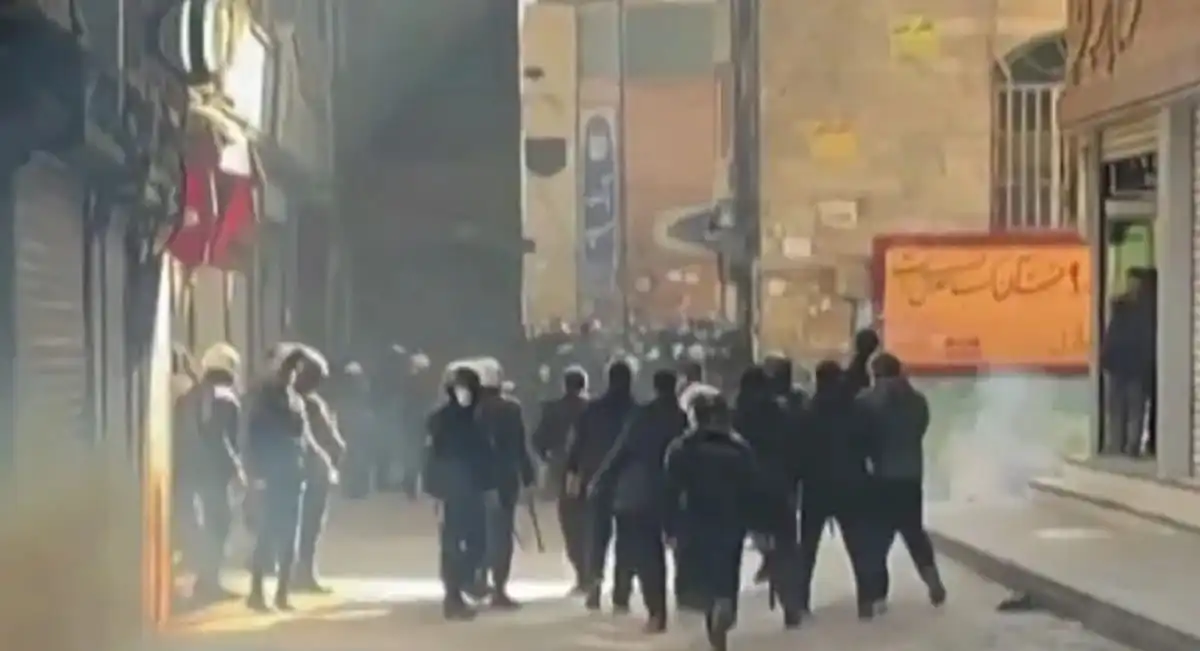
Protests erupted across Iran on December 28, 2025, fueled by severe economic difficulties that have made daily life untenable for many citizens. Demonstrators, including diverse groups from various societal segments, have taken to the streets demanding reforms, better living conditions, and an end to oppressive policies. In response, the regime has quickly initiated a heavy-handed crackdown, issuing stern warnings and mobilizing security forces to quell the unrest.
Authorities have declared no tolerance for what they label as “armed vandals” and “disruptors,” vowing decisive action. The Islamic Revolutionary Guard Corps (IRGC) has been at the forefront, conducting operations to defeat perceived threats and maintaining a defiant stance against the demonstrators. Reports detail security forces opening fire on crowds, leading to scenes of chaos with burning vehicles and overwhelmed medical facilities. The supreme leader has publicly stated that the republic, built on sacrifices, will not yield to those challenging its foundations, signaling an intensification of repressive measures. This swift escalation includes a near-total internet blackout since early January 2026, hampering communication and verification of events on the ground.
The regime’s strategy appears aimed at rapid suppression to prevent the protests from gaining further momentum, echoing past responses but with heightened rhetoric blaming external influences like the US for inciting violence. This approach has only fueled more demonstrations, with protesters attempting to seize city centers in a bid for greater control.
Over 200 Killed in Tehran Alone: The Mounting Human Cost
As the protests enter their second week, the death toll has surged dramatically, particularly in the capital. Reports from medical sources indicate that more than 200 people have been killed in Tehran alone, with many fatalities occurring in a single night of intense clashes on January 8, 2026. A doctor in Tehran anonymously reported that six hospitals in the city recorded at least 217 protester deaths, predominantly from gunshot wounds. This figure far exceeds initial estimates and highlights the disproportionate violence in urban hubs like Tehran, where demonstrators have clashed directly with security forces.
Nationwide, human rights organizations estimate the total deaths at between 51 and 65 protesters, including children, with additional security personnel casualties. Over 2,300 arrests have been documented, and injuries are rampant, with hospitals in cities like Tehran and Shiraz operating in crisis mode. Medics describe influxes of patients with severe gunshot injuries to vital areas, straining resources and suspending non-emergency care. The internet shutdown has made precise tallies challenging, but eyewitness accounts and smuggled reports paint a picture of widespread bloodshed, underscoring the regime’s willingness to use lethal force to maintain order.
Current Situation: A Nation on the Brink
As of January 10, 2026, Iran remains gripped by turmoil, with protests persisting despite the crackdown. Demonstrations have spread to dozens of cities, involving acts of defiance such as damaging regime institutions and torching vehicles. The economic crisis, characterized by inflation and hardship, has broadened the movement beyond previous uprisings, drawing in ordinary citizens who struggle to afford basics. Exiled opposition figures, such as Reza Pahlavi, have amplified calls for action, urging protesters to prepare for seizing key areas and expressing readiness to return.
International concern is mounting, with UN officials expressing deep disturbance over the violence and calling for investigations into deaths and arrests. Joint statements from European leaders emphasize the need for protecting peaceful assembly. The regime’s isolation tactics, including the communications blackout, have not fully stifled the movement, as alternative means like satellite internet facilitate some information flow. However, the lack of organized internal opposition poses challenges to sustaining momentum, and experts warn that without cohesion, the protests risk fragmentation. The situation teeters on escalation, with potential for further violence if the regime intensifies its response.
How Trump Could Help Protesters and Facilitate Regime Change in Iran
Donald Trump’s vocal stance offers a potential lifeline to protesters, blending rhetorical support with threats that could pressure the regime. As US President, Trump has warned Iran against further killings, stating that the country is in “big trouble” and that the US would “hit them very hard” if violence continues, while ruling out ground troops. This echoes his renewal of intervention warnings amid mounting deaths, positioning the US as a backer of the “brave people” rising up. Such statements boost morale among demonstrators and signal to the regime that international repercussions loom.
To aid protesters directly, Trump could expand access to tools like satellite internet, as seen in contacts via such technology, circumventing blackouts and enabling coordination. Imposing stricter sanctions on the IRGC and regime officials could exacerbate economic woes, weakening their grip and amplifying protest drivers. Supporting exiled figures like Pahlavi, who calls for city takeovers, through diplomatic channels or funding could help organize a unified opposition.
For regime change, Trump’s approach might involve targeted strikes on military assets if violence escalates, deterring further crackdowns without full invasion. Historical precedents show that sustained US pressure, combined with internal unrest, has destabilized similar regimes. By rallying allies for a coordinated response—such as UN resolutions or arms embargoes—Trump could isolate Iran globally, fostering conditions for transition. However, activists caution against overt intervention, fearing it could alienate Iranians who prefer self-determination. Ultimately, Trump’s leverage lies in balancing support with strategic restraint, potentially tipping the scales toward a post-regime era if protests persist.