

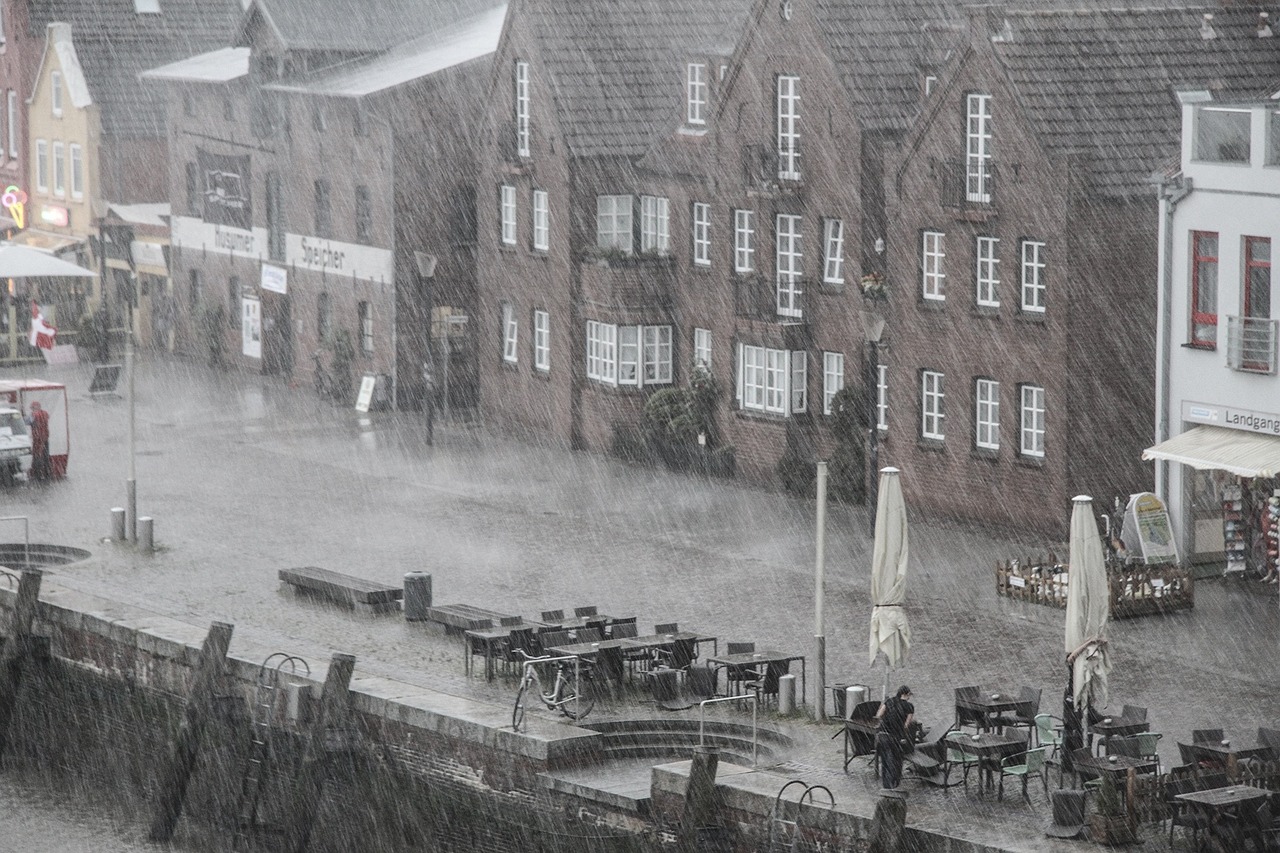
In early 2026, France experienced an unprecedented meteorological event: 40 consecutive days of rainfall, the longest such stretch since systematic weather records began in 1959. This extraordinary pattern of persistent rain has sparked national concern, especially as authorities remain on alert for continued flood risks even after the streak officially ended on 22 February. More importantly, this event has revitalized discussions on how climate change influences rainfall intensity and patterns — not just in France, but around the globe.
What Happened: A Look at the 40-Day Rain Record
From 14 January to 22 February 2026, France saw rain every single day — setting a new national record, surpassing the previous high of 32 straight rainy days from 2023. This measurement uses Météo-France’s definition of a rainy day: anywhere on French territory receiving an average of 1 mm or more of rain over 24 hours.
Several named storms — including Goretti, Ingrid, Nils, and Pedro — moved through Western Europe during this period, continually funneling moisture and instability into France’s weather systems.
Despite the official end of the streak, flood risks remain significant. Soil moisture reached its highest levels since 1959, saturating land across the country and reducing its ability to absorb more rainfall — a key factor that has prolonged flood threats even after the rainfall streak ended.
Climate Change: A Catalyst for Extreme Rainfall?
Scientists and forecasters are increasingly linking such persistent, intense weather events to climate change — though not all aspects are straightforward. Here’s why this matters:
Warmer Air Holds More Moisture
A fundamental principle in climate science is that a warmer atmosphere can hold more water vapor. For every additional degree of warming, the air’s moisture capacity increases by about 7%. This means:
-
Storm systems can carry more water, leading to heavier precipitation when conditions trigger rainfall.
-
When large-scale weather patterns stall — as they did during this 40-day period — systems can release sustained heavy rain over the same regions.
According to Météo-France, this enhanced water vapor in the atmosphere due to warming contributes to more intense rainfall events and can shift precipitation patterns.
Extreme Events Are Becoming More Frequent
Climate research indicates that extreme weather events — including record rainfall, heatwaves, and floods — are becoming more common as the planet warms. The observed 40-day rain streak fits into broader trends of:
-
Increasing frequency of intense precipitation events.
-
Greater variability in weather patterns.
-
Higher incidence of flood alerts across Europe and globally in recent months and years.
Flood Impacts Are Exacerbated
Even without a global warming context, long periods of rain can trigger floods. But in a warming climate, additional factors exacerbate the impacts:
-
Soils saturated more quickly, leading to greater runoff during subsequent rainfall.
-
River levels rise faster and remain elevated longer.
-
Urban drainage systems struggle to handle persistent, heavy rain.
France’s flood monitoring service recorded unprecedented moisture levels in soils, and departments across the west and southwest experienced sustained flood warnings as a result.
Beyond Rain: Broader Climate Signals
The 40-day rain streak is part of a broader pattern of extreme weather phenomena worldwide. In early 2026 alone, heavy rainfall and flooding have affected regions from Southern Africa to parts of Europe, illustrating how climate-driven intensification of weather events is not isolated to France.
For example, in Western France and neighboring countries, storm systems like Pedro have strained emergency services and infrastructure, leading to evacuations and extended flood watches.
What This Means for the Future
The occurrence of such a prolonged rainfall event underscores a few key points for policymakers, emergency planners, and citizens:
-
Climate adaptation strategies — such as improved flood defenses, better land-use planning, and resilient infrastructure — are urgently needed.
-
Weather monitoring and forecasting will continue playing a critical role in preparing for extreme events.
-
Public understanding of climate dynamics — including how warming alters precipitation — is essential for meaningful action.
A Record With a Climate Signal
France’s record 40-day rainfall streak was extraordinary by any measure. While no single event can be attributed solely to climate change, the intensity, persistence, and flood risk associated with this pattern align with scientific expectations of a warming world. The event highlights the interconnectedness of weather extremes and climate dynamics, emphasizing the need for continued vigilance and adaptation as global climate patterns evolve.


