A growing storm of geopolitical tension in the Middle East has thrust the world toward a potential flashpoint between the United States and Iran. Multiple reports from U.S. media outlets and international news organisations now suggest that American military forces could be ready to launch strikes against Iran as early as this weekend, even as diplomatic negotiations continue — raising the critical question:
U.S. Military Positioned and Ready to Strike
According to reporting by “US military ready for Iran strike from Saturday, reports claim”, senior U.S. national security officials have told Donald Trump that the U.S. military could be prepared to launch strikes against Iranian targets “from Saturday” — implying that the threshold for action has been reached.
Key developments include:
-
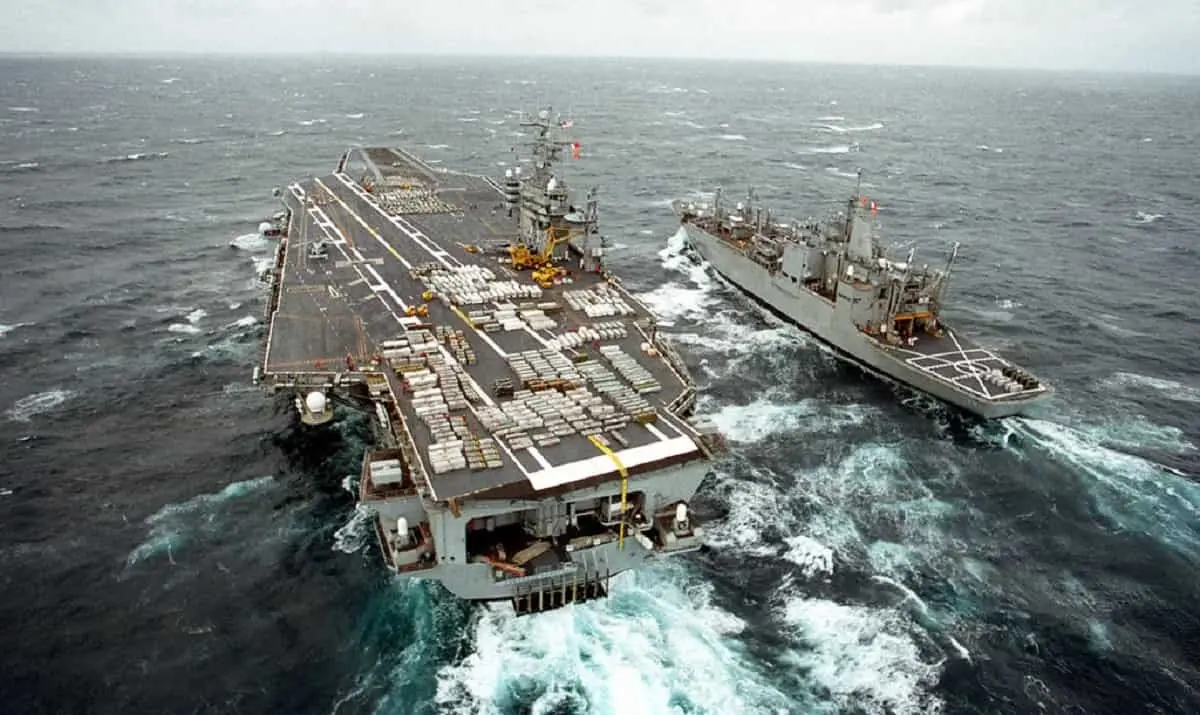
Significant deployment of U.S. air and naval assets into the Middle East over recent days.
-
Arrival of additional warships, including the USS Gerald R. Ford aircraft carrier strike group in the eastern Mediterranean, bolstering offensive capabilities.
-
Recent Pentagon planning reportedly involves preparations for what could be a weeks-long campaign if ordered.
However, Trump has not yet authorized military action, and top advisers remain divided on the final decision.
Diplomacy Remains on the Table — But Options Narrow
Recent rounds of negotiations between U.S. and Iranian officials in Geneva have taken place amid these rising tensions, with both sides acknowledging some degree of progress, but disagreements on key demands remain. Iranian diplomats are reportedly expected to return with further proposals in the coming weeks.
White House Stance
White House Press Secretary Karoline Leavitt has stated publicly that diplomacy is still the preferred path, warning that “Iran would be very wise to make a deal” and that negotiations could avert conflict.
But other administration officials have underscored “many reasons and arguments” for a strike — reflecting an internal tension between diplomatic and military approaches.
Iran and Its Allies Prepare for Escalation
As U.S. forces concentrate in the region, Iran has continued to bolster its defenses and expand military cooperation with allies.
Iran–Russia Naval Drills
Joint naval exercises conducted by **Iran and Russia in the Gulf of Oman and the Indian Ocean demonstrate Iranian efforts to counterbalance U.S. pressure and signal regional solidarity. These war games involved simulated operations and aerial reconnaissance, raising fears that even a limited strike could ignite wider hostilities.
Iranian Military Posture
Iranian leaders have repeatedly warned that an attack by the U.S. would provoke a destructive regional conflict. Tehran has bolstered missile systems and other defenses, emphasizing readiness to respond.
Why Timeframes Suggest Imminent Action
While no official order has been given for strikes, several indicators point toward a narrowing window:
✔ Major deployment of fighter jets, refueling tankers, and warships to strategic positions in the Gulf and Mediterranean.
✔ White House briefings indicating the military can begin strikes “as soon as Saturday.”
✔ Long-range planning by U.S. defense officials for sustained operations if a strike is ordered.
Experts stress that an attack could happen not only due to immediate triggers but also as leverage to press Iran into concessions over its nuclear and missile programmes — especially if diplomatic talks lose momentum.
Possible Triggers and Strategic Calculations
What Could Prompt a Strike?
Analysts and insiders point to several potential catalysts:
-
Breakdown of diplomatic negotiations in Geneva
-
Perceived failure of Iran to meet U.S. demands on nuclear restrictions
-
Escalations in regional proxy conflicts
-
Intelligence assessments of imminent threats from Iranian armed groups
Several reports indicate that U.S. planners have options for both targeted strikes on nuclear, missile, and military infrastructure, as well as broader campaigns to degrade Iranian command capabilities.
Why the Delay?
The Trump administration appears to be balancing the huge geopolitical risks of military action against the urgency of curbing Iran’s perceived strategic threats. A strike would undoubtedly prompt Iranian retaliation — potentially across the region — making the decision one of the most consequential of this geopolitical era.
Regional and Global Implications
A U.S. attack on Iran would echo far beyond Tehran and Washington:
Possible Regional Fallout
-
Heightened risk of conflict with militias and Iranian proxies in Iraq, Syria, Lebanon and Yemen
-
Disruption of shipping through the Strait of Hormuz, threatening global oil supplies
-
Increased tensions between the U.S. and Russia — especially due to Iran’s expanded cooperation with Moscow
Global Markets and Public Opinion
Fears of conflict have already influenced financial markets. Oil prices, for instance, have fluctuated with shifting perceptions of the likelihood of war, while gold and safe-haven assets have received inflows amid uncertainty.
Is a U.S. Attack Hours Away?
The evidence suggests that military capability and readiness are in place, and that U.S. commanders have informed President Trump that forces could begin strikes imminently — potentially this weekend.
However:
Trump has not made a public decision to authorize strikes
Diplomacy remains active — albeit strained
The global cost of a conflict would be high
So while an attack could technically be launched within days, it is not yet officially confirmed — and much hinges on the outcome of political deliberations and Iran’s response in the next 48–72 hours.