Have you ever paused to consider what truly constitutes a “European Defense System” in the face of escalating geopolitical tensions? Is it a unified shield, a collection of national efforts, or something evolving in response to real-world threats? Drawing from recent developments, such as Sweden and Denmark’s joint initiative to bolster Ukraine’s air defenses.
What Role Do Recent Air Defense Supplies Play in Ukraine’s Protection?
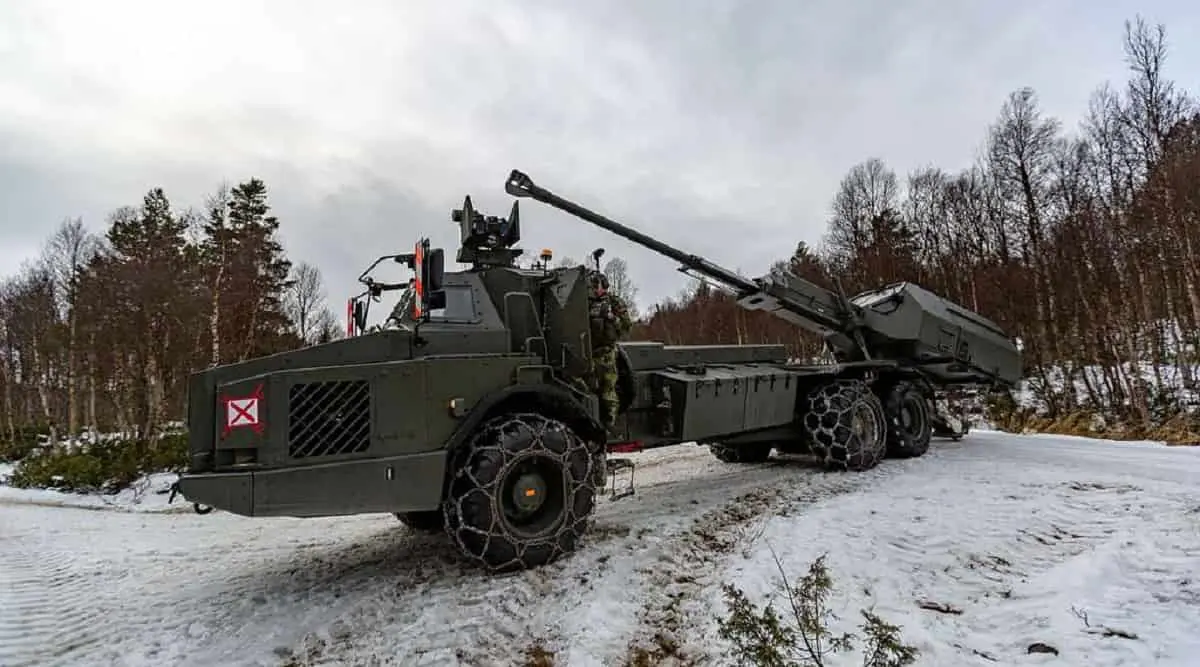
Imagine a scenario where nations pool resources to counter aerial threats—does this sound like the foundation of a broader defensive strategy? Take, for instance, the announcement on February 3, 2026, where Sweden and Denmark committed €245 million to supply Ukraine with TRIDON Mk2 mobile anti-aircraft systems. What might this mean for Ukraine’s ability to repel Russian strikes? Consider the system’s capabilities: designed to neutralize cruise missiles and long-range drones, developed rapidly based on lessons from the ongoing conflict. Swedish Defense Minister Pål Jonson noted its potential to enable Ukraine to form its own air defense battalion. But ask yourself: Could such targeted aid truly shift the balance against intensified Russian attacks on energy infrastructure?
Reflect on the broader context—Russia’s barrage of 450 drones and 70 missiles just days ago. Does this highlight a gap that European contributions aim to fill? Danish Defense Minister Troels Lund Poulsen emphasized how this strengthens Ukraine’s capacities under severe pressure. Now, ponder: If individual countries like these are stepping up, how might this inspire a more coordinated European response?
How Integrated Is Europe’s Defense Framework Today?
What if Europe’s defense isn’t a monolithic “system” but a mosaic of alliances and initiatives? Think about the European Union’s military assistance to Ukraine, totaling €69.3 billion since 2022, including arms from member states. Does this suggest a growing resilience, or reveal fragmentation? For example, Germany has delivered IRIS-T systems, with more on the way. But consider the challenges: With 27 different howitzer variations across Europe, how does standardization—or the lack thereof—affect interoperability?
Could initiatives like the European Sky Shield or proposals for integrated air and missile defense bridge these divides? Ukraine’s battlefield innovations, such as drone warfare, are influencing European strategies—EU leaders speak of a “drone alliance.” What insights might Ukraine offer Europe in return, fostering mutual growth? And with discussions on a European nuclear shield amid waning US trust, does this signal a shift toward autonomy?
Can Collaborative Efforts Withstand Russian Aggression?
How effective might a unified European approach be in deterring or defending against Russia? NATO’s Secretary General Mark Rutte expresses confidence in securing $15 billion for US weapons via the PURL program, emphasizing Europe’s role. But question this: If smaller nations like Cyprus are producing drones for Ukraine, contributing to over 100,000 flight hours, what does this say about collective innovation?
Consider proposals like a Multidomain Operations Center in Ukraine—could this form the nucleus of post-US European command? Or the EU’s plans for rapid troop movement in response to Russian threats? As we reason through these, ask: Are these steps sufficient to protect Ukraine, or do they require deeper integration and resolve?
Strengths of European Defence Support
-
Enhanced Air Defence Capabilities:
European systems—including the TRIDON Mk2—boost Ukraine’s defense against drones and missiles that have caused significant civilian and military losses. -
Political and Strategic Solidarity:
The joint procurement by Sweden and Denmark, and broader European support, sends a strong political message of unity and commitment to Ukraine’s defense. -
Integration into European Defence Industry:
Co-financing and procurement frameworks help European manufacturers increase production and develop new capabilities tailored to modern battlefield needs.
What Future Scenarios Await European Defense and Ukraine?
If European defense evolves through Ukraine’s experiences, might it not only defend but transform the continent’s security? Ponder the implications of joint procurements and tech transfers—Ukraine integrating European standards while sharing real-time innovations. What if this collaboration becomes the frontline of Europe’s autonomy?