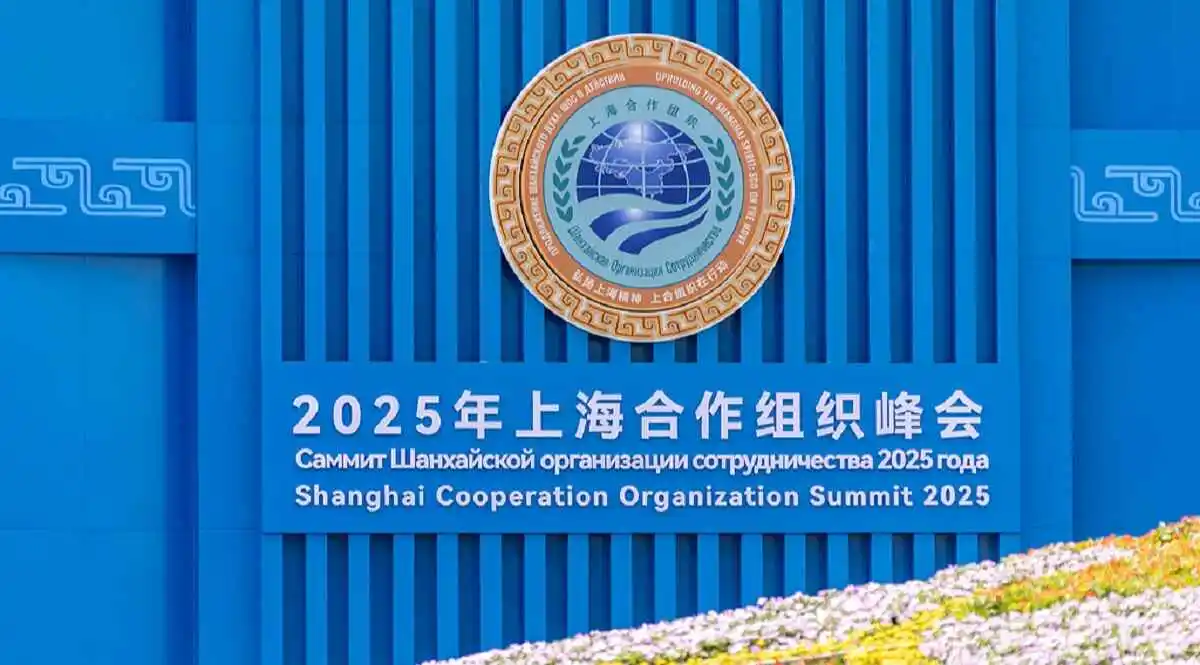
On November 18, 2025, the 24th meeting of the Council of Heads of Government of the Shanghai Cooperation Organization (SCO CHG) convened under the chairmanship of the Russian Federation. Bringing together senior representatives and heads of government from all member states, the meeting emphasized the growing significance of the SCO as a platform for regional cooperation, economic development, and South-South alliance. The session, attended by leaders and high-level officials from countries including Belarus, India, Iran, Kazakhstan, China, Kyrgyzstan, Pakistan, Russia, Tajikistan, and Uzbekistan, was also graced by the presence of SCO Secretary-General Nurlan Yermekbayev and RATS Executive Committee Director Ularbek Sharsheev.
For over two decades, the SCO has aided as a pivotal regional organization promoting political, economic, and security cooperation among Eurasian nations. Created in 2001, the SCO’s mandate covers the fostering of stability, peace, and sustainable development while reassuring dialogue and practical collaboration among member states. Its core principles—mutual respect, non-interference in internal affairs, and equitable economic engagement—have provided a framework for addressing regional challenges collectively and constructively. Over the years, the SCO has evolved outside a security-focused organization to a dynamic platform that actively supports trade, investment, cultural exchanges, and scientific and technological cooperation.
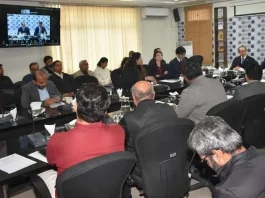
The 24th SCO CHG meeting was held in a “restricted” session arrangement, providing a friendly space for members to evaluate global economic trends and explore ways to strengthen the organization’s economic cooperation instruments. Discussions were comprehensive, covering key issues on the SCO agenda, with a strong stress on practical cooperation and improving the efficiency of SCO structures. The exchange of perspectives allowed member states to identify strategies for collective economic growth, regional connectivity, and broader financial collaboration, signifying the organization’s commitment to translating dialogue into tangible outcomes.
Particularly, the meeting also highlighted an expanded-format session, reflecting the SCO’s pledge to inclusivity and strategic partnerships. This session welcomed representatives from Mongolia, Qatar, Bahrain, Egypt, Kuwait, and Turkmenistan, alongside officials from the SCO, CIS, EAEU, CICA, the SCO Business Council, and the SCO Interbank Consortium. The deliberations highlighted promising opportunities in trade, investment, cultural, and humanitarian cooperation, while also highlighting the potential contributions of partner states in complementing the efforts of the SCO. Such outreach strengthens the SCO’s role as a hub for South-South cooperation, connecting countries with shared development priorities and fostering mutually valuable partnerships across Eurasia and beyond.
A key highlight of the meeting was the emphasis on consolidating sectoral cooperation and ensuring the effective implementation of initiatives endorsed by SCO leaders. Secretary-General Yermekbayev stressed the importance of coordinated efforts, noting that favorable conditions and incentives for member states, coupled with progress toward establishing the SCO Development Bank, would interpret ambitious plans into practical results. The broader engagement of commercial banks and financial institutions was also recognized as crucial in supporting investment flows, infrastructure development, and cross-border economic activity.
Reports on the 2024–2025 activities of the SCO Business Council and the SCO Interbank Consortium were presented, showcasing substantial progress in promoting private sector engagement and financial collaboration within the SCO framework. These developments reflect a pragmatic approach to regional integration, wherein governments and business communities work together to solve new opportunities for growth, trade, and innovation. The active participation of Pakistan in these initiatives highlights the country’s commitment to fostering economic linkages and enhancing regional prosperity.
Pakistan’s role in the SCO has been consistently constructive and forward-looking. As a member state, Pakistan has actively contributed to the organization’s agenda, promoting for practical cooperation in trade, energy, transport, and social development. By championing initiatives that strengthen regional connectivity and sustainable development, Pakistan has positioned itself as a steadfast partner within the SCO framework. The 24th SCO CHG meeting further demonstrated Pakistan’s engagement, reflecting its vision for a cooperative, inclusive, and economically vibrant Eurasia. Through active participation, Pakistan continues to advance the principles of South-South cooperation, promoting collaborative solutions to shared challenges and opportunities.
The outcomes of the meeting were important. At its conclusion, the heads of government approved a Joint Communiqué and signed several decisions related to multilateral trade, economic cooperation, railway transport development, and social protection. The SCO’s budget for the coming year was approved, guaranteeing financial readiness for implementing its programs and initiatives. Additionally, it was decided that Tajikistan will host the next SCO CHG meeting in 2026, signaling a continued commitment to rotation and inclusive participation among member states.
The meeting also highlighted the strategic importance of regional stability and economic resilience. By prioritizing connectivity, investment facilitation, and social development, the SCO reinforces its position as a platform that not only addresses security concerns but also promotes sustainable economic growth and human development. The organization’s efforts to engage partner states, expand financial apparatuses, and strengthen practical cooperation demonstrate a forward-looking approach to regional incorporation and global collaboration.
From Pakistan’s perspective, the 24th SCO CHG meeting signifies an opportunity to further merge its contributions to the organization. By actively participating in deliberations on economic integration, transport infrastructure, energy cooperation, and financial mechanisms, Pakistan reinforces its image as a proactive, responsible, and solutions-oriented member state. Its engagement highlights the country’s commitment to fostering peace, stability, and shared prosperity across the SCO region and beyond.
In a broader context, the SCO exemplifies the principles of South-South cooperation, providing a model for regional partnership based on mutual respect, shared interests, and collective problem-solving. In an era of global uncertainty, such frameworks are increasingly vital for promoting development, stability, and cross-border collaboration. The organization’s emphasis on inclusive growth, practical cooperation, and strategic partnerships echoes with the aspirations of member states and partner nations alike, creating a conducive environment for long-term regional prosperity.
In conclusion, the 24th SCO CHG meeting strengthened the organization’s central role in fostering regional cooperation, economic integration, and South-South collaboration. It emphasized the importance of practical initiatives, financial mechanisms, and strategic partnerships in translating dialogue into meaningful results. For Pakistan, the meeting highlighted its essential role as a constructive, reliable, and forward-looking member state, committed to promoting regional stability, economic growth, and inclusive development. As the SCO continues to evolve, it remains a cornerstone for Eurasian cooperation, demonstrating that collective effort, shared vision, and mutual trust can drive development and prosperity for all member states