

The geopolitical landscape of 2026 is witnessing a quiet yet significant realignment as Gulf Arab powers, particularly Saudi Arabia and Qatar, deepen defense cooperation with Ukraine. This shift is not merely transactional or symbolic; it reflects a deeper transformation in how modern wars are fought and how emerging threats—especially from Iran—are reshaping global defense partnerships. At the center of this new alignment lies drone warfare, a domain where Ukraine has rapidly evolved into one of the most experienced actors in the world.
The decision by Gulf states to engage Ukraine stems primarily from a changing threat perception. Over the past few years, Iran has refined its use of low-cost unmanned aerial vehicles, particularly systems like Shahed drones, which have demonstrated their effectiveness in both the Russia-Ukraine war and regional conflicts in the Middle East. These drones are inexpensive, difficult to detect in large numbers, and capable of overwhelming even sophisticated air defense systems.
For countries like Saudi Arabia and Qatar, which have historically relied on expensive Western defense platforms, this has created a strategic imbalance: they are forced to use high-cost interceptors to neutralize low-cost threats, a model that is neither sustainable nor scalable in prolonged conflict scenarios.
It is within this context that Ukraine’s battlefield experience becomes highly valuable. Since 2022, Ukraine has been at the forefront of countering mass drone attacks, particularly those resembling Iranian designs used by Russia. Unlike traditional Western militaries, Ukraine has had to innovate under constant pressure, developing cost-effective countermeasures that rely on layered defense systems rather than single-point solutions. These include electronic warfare tools, mobile air defense units, and increasingly, drone-against-drone interception techniques. This practical, war-driven innovation has positioned Ukraine as a unique exporter of defense expertise, especially for nations now facing similar threats from Iran.
The defense agreements signed between Ukraine and Gulf states are therefore not conventional arms deals. They represent long-term strategic frameworks that include technology transfer, joint production, and training programs. For Saudi Arabia and Qatar, the objective is not just to purchase equipment but to build indigenous capabilities that can respond dynamically to evolving threats. Ukraine, in turn, benefits from financial investments, political support, and potential access to advanced air defense systems that it continues to seek in its own war efforts. This mutual dependency transforms the relationship into a strategic partnership rather than a simple buyer-seller dynamic.
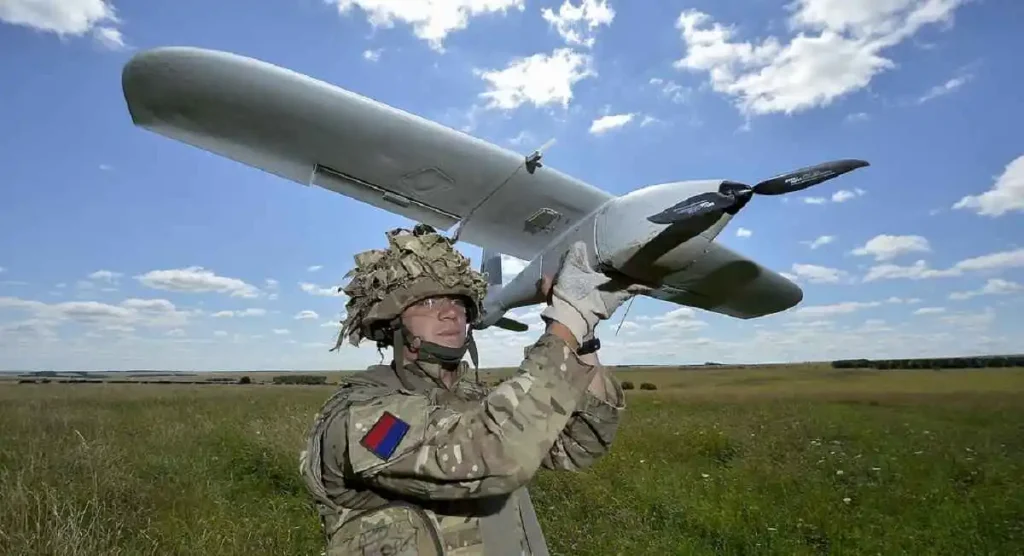
Another critical factor driving these agreements is the desire among Gulf states to diversify their defense partnerships. While the United States and European countries remain key allies, there is growing recognition that traditional defense systems are not always optimized for the realities of modern asymmetric warfare. Ukraine offers a different model—one that emphasizes adaptability, cost-efficiency, and rapid deployment. This model aligns closely with the needs of Gulf countries that are facing frequent drone and missile threats and cannot rely solely on legacy systems designed for conventional warfare.
The role of Ukrainian drone technology in countering Iran is both direct and nuanced. On a practical level, Ukraine provides solutions that are specifically designed to neutralize the type of threats Iran is deploying. These include advanced detection systems capable of identifying low-flying drones, electronic jamming technologies that can disrupt navigation and communication, and interceptor drones that can physically neutralize incoming threats. More importantly, Ukraine offers operational doctrine—a comprehensive approach to defense that integrates multiple layers of protection into a cohesive system. This doctrine is particularly valuable for Gulf states, which must defend vast territories and critical infrastructure such as النفط facilities, desalination plants, and urban centers.
However, the implications of this cooperation extend beyond immediate defense needs. The Ukraine-Gulf partnership reflects a broader shift in global power dynamics, where technological expertise and battlefield experience are becoming as valuable as traditional military hardware. Ukraine, once primarily seen as a recipient of military aid, is now emerging as a provider of security solutions, leveraging its wartime innovations to build new alliances. For Gulf states, this partnership represents an opportunity to stay ahead of emerging threats while reducing dependence on any single external power.
At the same time, this alignment has significant implications for Iran. As Gulf countries adopt more effective counter-drone systems, the strategic advantage that Iran has gained through its drone capabilities may begin to erode. This could lead to a new phase in the regional arms race, where both offensive and defensive technologies evolve rapidly in response to each other. It also raises questions about escalation, as improved defense systems could embolden Gulf states to take a more assertive stance in regional conflicts.
In a broader sense, the growing cooperation between Ukraine and Arab powers underscores the centrality of drone warfare in shaping the future of global security. Traditional metrics of military strength—such as the number of tanks or fighter jets—are increasingly being supplemented, if not replaced, by capabilities in unmanned systems, artificial intelligence, and electronic warfare. The Ukraine-Gulf axis represents a convergence of necessity and innovation, driven by shared threats and mutual interests.
Ultimately, the defense deals between Ukraine, Saudi Arabia, and Qatar are not just about countering Iran; they are about adapting to a new era of warfare. In this era, success is defined not by the size of a military arsenal but by the ability to respond quickly, efficiently, and intelligently to evolving threats. Ukraine’s experience has made it a pioneer in this domain, and its partnerships with Gulf states may well serve as a blueprint for future security alliances in an increasingly unpredictable world.



