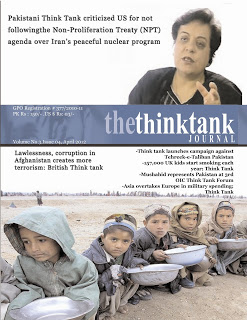

The Japan and UNICEF Pakistan partnership continues to play a transformative role in improving the lives of millions of children and families across the country. Reaffirming their long-standing collaboration, the Government of Japan and UNICEF highlighted decades of shared efforts to protect children’s rights, strengthen essential public services, and provide life-saving humanitarian assistance during emergencies.
As one of UNICEF’s oldest and most significant global partners, Japan has consistently supported Pakistan in critical sectors, including healthcare, nutrition, education, water, sanitation and hygiene (WASH), child protection, and emergency response.
Decades of Humanitarian Support for Pakistan’s Children
Over the years, the partnership between Japan and UNICEF has helped address some of Pakistan’s most pressing humanitarian challenges. Their joint initiatives have reached vulnerable communities through vaccination campaigns, emergency relief efforts, and sustainable development programs designed to build resilient public systems.
Following the devastating 2022 floods in Pakistan, Japan contributed **US$6.48 million** to UNICEF’s emergency response operations. The funding enabled UNICEF to deliver clean drinking water, sanitation facilities, healthcare services, and nutrition support to thousands of affected families in Sindh and Balochistan—two of the provinces hardest hit by the disaster.
This investment not only addressed immediate humanitarian needs but also strengthened local systems to better prepare communities for future climate-related emergencies.
Japan’s Commitment to Child Development
Speaking on the enduring partnership, **H.E. Mr. Akamatsu Shuichi, Ambassador of Japan to Pakistan**, emphasized that the collaboration is rooted in a shared vision of ensuring every child has the opportunity to live a healthy, safe, and dignified life.
He noted that Japan’s foreign policy prioritizes human development, particularly the well-being of children, recognizing that sustainable progress depends on investing in future generations.
The Ambassador also reaffirmed Japan’s unwavering commitment to Pakistan’s polio eradication efforts. Through continued support for nationwide vaccination campaigns, Japan has helped immunize millions of children, including those living in remote and difficult-to-access regions.
UNICEF Appreciates Japan’s Lasting Partnership
Sharmeela Rasool, Acting UNICEF Representative in Pakistan, acknowledged Japan’s invaluable contribution toward improving children’s lives across the country.
She highlighted that Japan’s support extends beyond emergency response by strengthening essential services and promoting long-term development initiatives. According to Rasool, this enduring partnership has enabled millions of children to survive, recover, and thrive despite ongoing humanitarian and development challenges.
She further stressed that investments made today are creating stronger, more resilient systems that will continue to benefit children and families for years to come.
Building Resilient Communities Through Sustainable Investment
The **Japan and UNICEF Pakistan** partnership demonstrates how sustained international cooperation can create meaningful and lasting humanitarian impact. By combining emergency relief with long-term development strategies, both partners are helping communities recover faster while improving access to quality healthcare, education, nutrition, clean water, sanitation, and child protection services.
These continued investments ensure that essential services remain available before, during, and after emergencies, enabling vulnerable children and families to build safer and healthier futures.
Humanitarian needs
As humanitarian needs continue to evolve, the partnership between Japan and UNICEF remains a cornerstone of child-focused development in Pakistan. Their shared commitment to protecting children’s rights, strengthening public systems, and responding rapidly to emergencies reflects a long-term vision of sustainable progress.
With decades of successful collaboration behind them, **Japan and UNICEF Pakistan** are well-positioned to continue improving the lives of millions of children and helping communities become more resilient in the face of future challenges.